
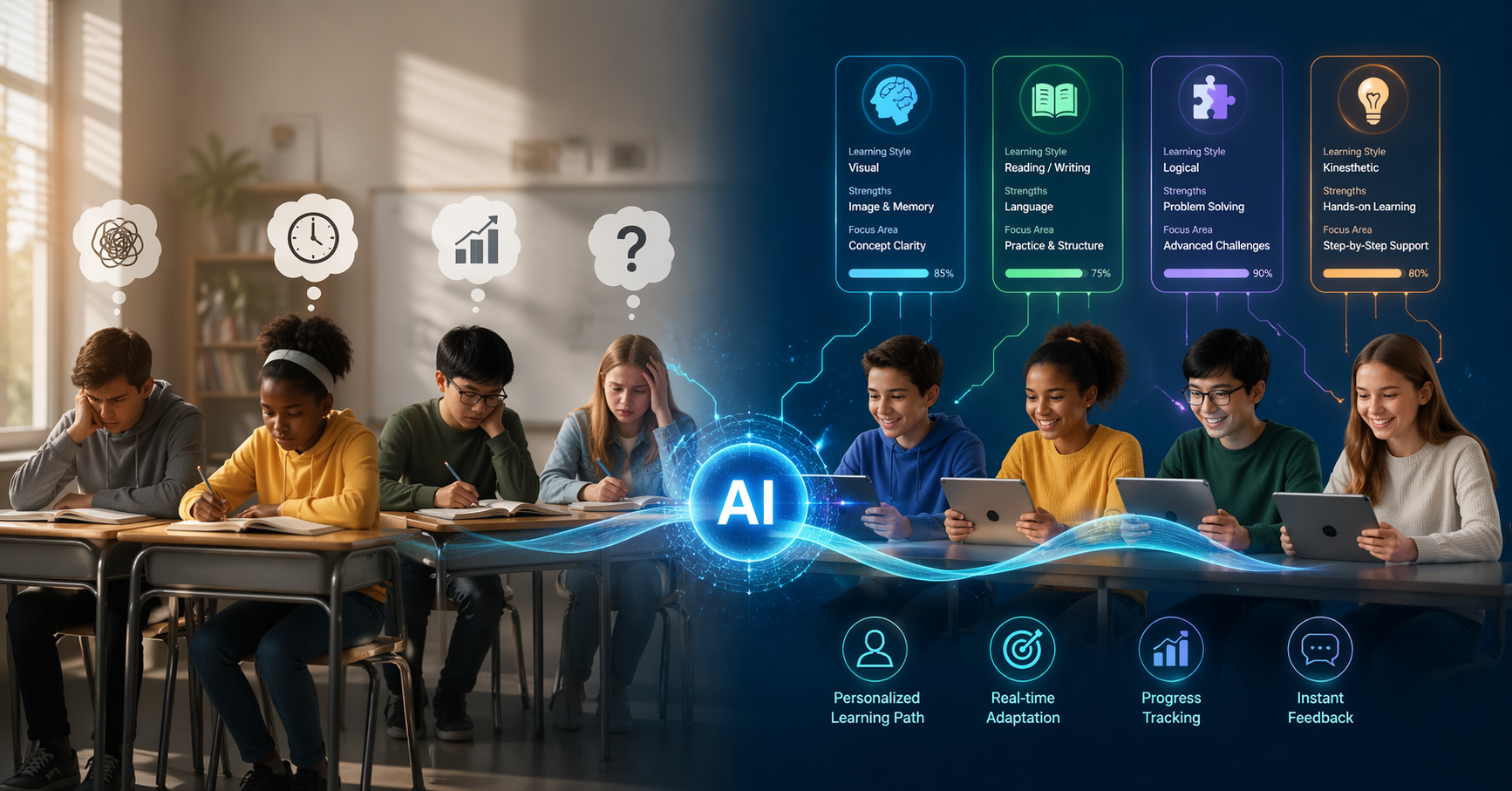
Why Some Students Learn Faster Than Others and How AI Fixes It
Understanding why some students learn faster than others has been a long-standing question in the education sector. With advances in technology, particularly artificial intelligence (AI), we are now closer to answering this question and providing solutions that cater to the needs of all learners.
The Science Behind Learning Speed Variations
Learning speed can vary significantly among students due to a variety of factors including cognitive abilities, background knowledge, and emotional and psychological readiness. Cognitive abilities influence how quickly a student can process and understand new information. Background knowledge, or prior knowledge, also plays a crucial role as it helps in making connections with new concepts. Moreover, emotional and psychological factors such as motivation and self-confidence can enhance or impede the learning process.
Role of AI in Personalized Education
Artificial intelligence is revolutionizing the education sector by enabling personalized learning experiences. AI systems can analyze individual learning patterns and tailor the educational content accordingly. By doing so, AI helps in bridging the gap between fast and slow learners by providing customized support and challenges suited to each student’s unique learning pace.
How AI Tailors Learning Experiences
AI-driven platforms utilize data such as test scores, past academic performance, and student interactions to create a personalized learning path for each student. These platforms can adjust the difficulty level of tasks, provide additional resources, and even modify learning schedules to optimize the educational experience based on the learner's performance and engagement levels.
AI and Adaptive Learning Technologies
Adaptive learning technologies powered by AI can dynamically adjust the content, pace, and style of teaching to fit the needs of individual students. This not only helps in accommodating different learning speeds but also addresses various learning styles and preferences, ensuring that each student can learn in the most effective manner possible.
Challenges and Ethical Considerations
While AI has the potential to transform education, it also brings challenges and ethical considerations. Issues such as data privacy, bias in AI algorithms, and the digital divide must be carefully addressed to ensure that AI tools in education are fair, inclusive, and accessible to all students.
Conclusion
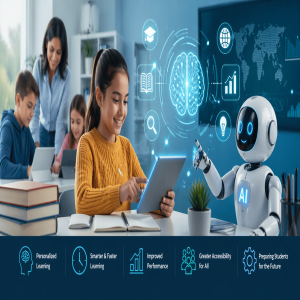
The integration of AI into educational practices offers significant advantages in understanding and accommodating the varied learning speeds among students. By personalizing the learning experience, AI not only enhances learning outcomes but also ensures that no student is left behind. As we move forward, it is crucial for educators, technologists, and policymakers to work together to overcome the challenges and maximize the benefits of AI in education.

Comments (0)