

Why Skill-Based Learning Is Replacing Traditional Education
In recent years, there has been a significant shift in the educational landscape, with skill-based learning taking precedence over traditional educational models. This transformation stems from the evolving demands of the workforce and the need for practical, applicable skills in real-world settings. In this blog post, we will delve into why skill-based learning is becoming increasingly popular and how it is reshaping the way we think about education.
Understanding Skill-Based Learning
Skill-based learning focuses on developing specific skill sets that are directly applicable to a particular job or field. Unlike traditional education, which often emphasizes theoretical knowledge, skill-based learning prioritizes practical skills and competencies that empower students to perform specific tasks and solve real-world problems. This approach not only enhances employability but also ensures that learners can adapt to the rapidly changing job market.
The Limitations of Traditional Education
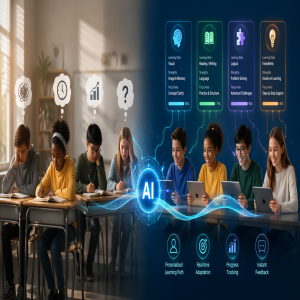
Traditional education systems have been criticized for their rigid structures, standardized curricula, and a one-size-fits-all approach to learning. These systems often fail to address individual learning styles and do not always provide the skills necessary for students to succeed outside of an academic environment. As a result, there is a growing gap between the skills taught in schools and those required in the workplace.
The Rise of Skill-Based Learning
The shift towards skill-based learning can be attributed to several factors:
- Economic Demand: Employers increasingly prefer candidates with specific skill sets that can be immediately applied to the job. This has pressured educational institutions to adapt their curricula to meet these demands.
- Technological Advancements: Rapid technological progress has created new industries and job roles that require specialized skills. Traditional education often struggles to keep up with the pace of these changes, whereas skill-based programs can quickly introduce new modules and adapt to industry needs.
- Student Preferences: Today's learners prefer education that offers clear practical benefits and direct career applicability. Skill-based programs that offer certifications or badges are particularly attractive, as they clearly demonstrate competence to potential employers.
Examples of Skill-Based Learning in Action
Many educational institutions and online platforms now offer courses that are designed around the acquisition of specific skills. For instance, coding bootcamps have emerged as a popular alternative to traditional computer science degrees, providing intensive, hands-on training in software development. Similarly, digital marketing courses focus solely on the skills needed to succeed in digital communication and advertising, bypassing unrelated coursework that is often part of a traditional business degree.
The Future of Education
As we look to the future, the trend towards skill-based learning is likely to continue, potentially replacing traditional education models for many fields. This does not mean that traditional education will disappear, but it will need to evolve and perhaps integrate more skill-based elements to remain relevant. The ultimate goal of education, after all, is to prepare learners for the challenges of the real world, and skill-based learning is increasingly seen as a better way to achieve this objective.
In conclusion, the drift towards skill-based learning highlights a broader shift in educational priorities and methodologies. As industries continue to evolve, the alignment of education with market demands becomes crucial. Skill-based learning is not just a trend but a necessary evolution that promises to enhance the relevance and efficacy of educational systems worldwide.


Comments (0)