
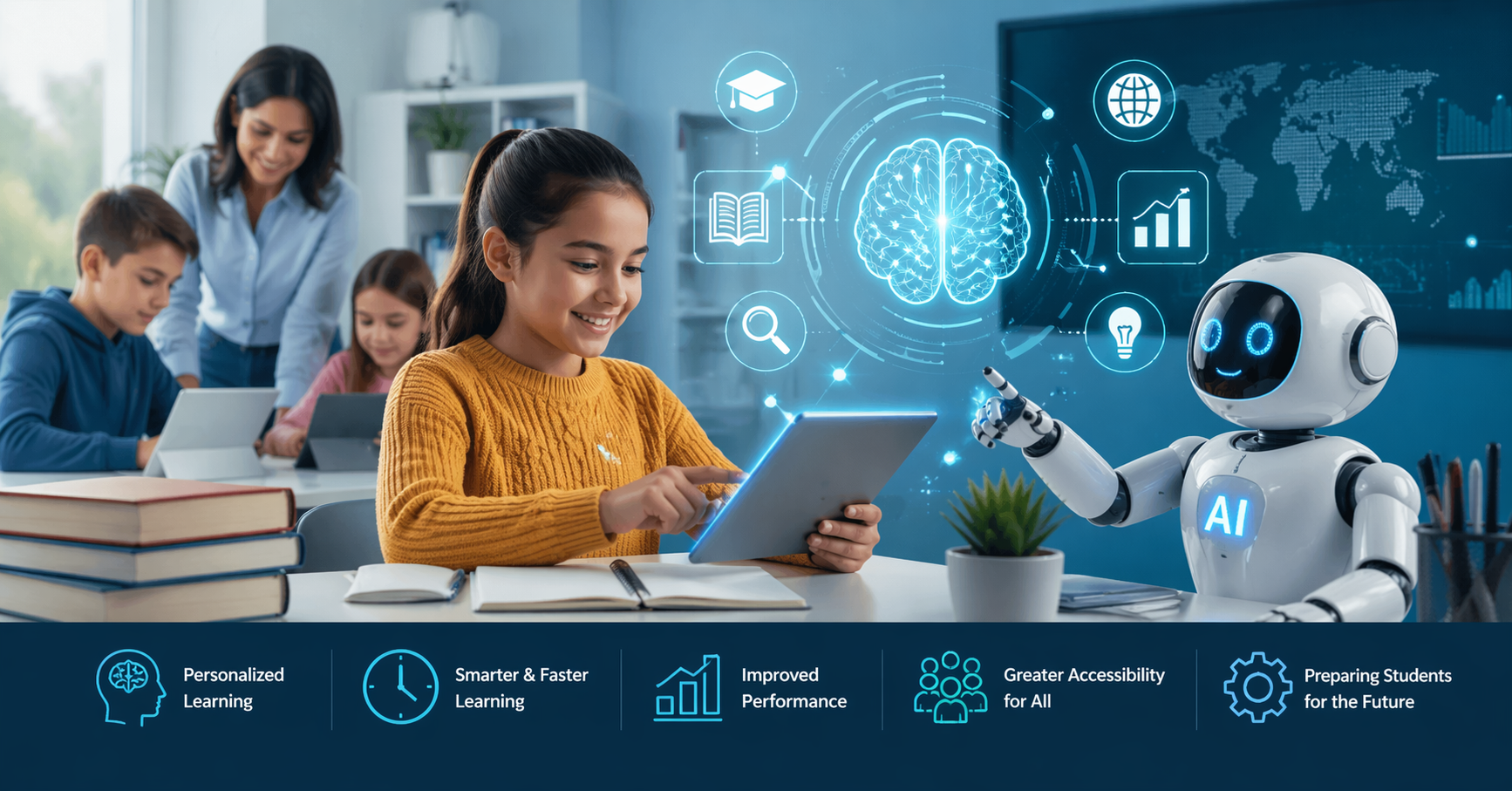
How AI Is Transforming Modern Education Benefits And Real Examples
Welcome to our deep dive into how artificial intelligence (AI) is reshaping the landscape of modern education. From personalized learning paths to automated administrative tasks, AI is not just a future concept but a present-day reality enhancing educational experiences worldwide.
The Role of AI in Modern Education
AI technology has permeated various sectors, and education is no exception. AI in education refers to the use of machine learning, natural language processing, and other AI technologies to facilitate and enhance learning processes. It supports not only students but also teachers and administrative staff, offering tailored resources and automating routine tasks.
Benefits of AI in Education
AI brings a multitude of benefits to educational environments, including:
- Personalized Learning: AI algorithms can analyze a student's performance and tailor educational content to suit their learning pace and style, effectively meeting individual needs.
- Efficiency and Automation: Routine tasks such as grading and scheduling can be automated with AI, freeing up time for teachers to engage more directly with students.
- Accessibility: AI tools help make learning more accessible to people with disabilities. For example, speech-to-text technologies and AI-driven programs assist those with visual and hearing impairments.
- Data-Driven Insights: AI systems can provide teachers and administrators with insights derived from data analysis, aiding in informed decision-making that enhances educational quality and outcomes.
- Global Learning: AI facilitates language translation and cultural adaptation, making education more accessible on a global scale and helping prepare students for a globalized economy.
Real-World Examples of AI in Education
Several institutions and platforms have already integrated AI into their operations, with notable success stories:
- Content Personalization at Carnegie Learning: This educational technology provider uses AI to offer personalized math instruction, significantly improving student outcomes.
- AI Tutors and Assistants: Tools like Thinkster Math and Duolingo use AI to provide personalized tutoring and feedback, helping students improve their skills more efficiently.
- Automated Administrative Tasks: Universities like Georgia State have implemented AI-driven chatbots to help students navigate the complexities of enrollment and financial aid, reducing dropout rates.
Challenges and Considerations
While AI presents remarkable opportunities, it also comes with challenges. Privacy concerns, the need for high-quality data, and the potential for increased educational disparity are issues that need to be addressed to fully harness AI's potential in education.
The Future of AI in Education
Looking forward, AI is set to become even more integrated into educational systems. Innovations such as AI-driven predictive analytics for student performance and more sophisticated AI tutors are on the horizon, promising to further transform educational experiences and outcomes.
Conclusion
AI's impact on education is profound and far-reaching, offering significant benefits but also posing unique challenges. As we continue to integrate AI into educational contexts, it is crucial to navigate these challenges carefully to ensure that AI serves as a tool for enhancing educational equity and quality for all students.
If you're intrigued by the potential of AI in education and want to stay updated with the latest developments, subscribe to our newsletter for more insights and updates.
Subscribe Now


Comments (0)