
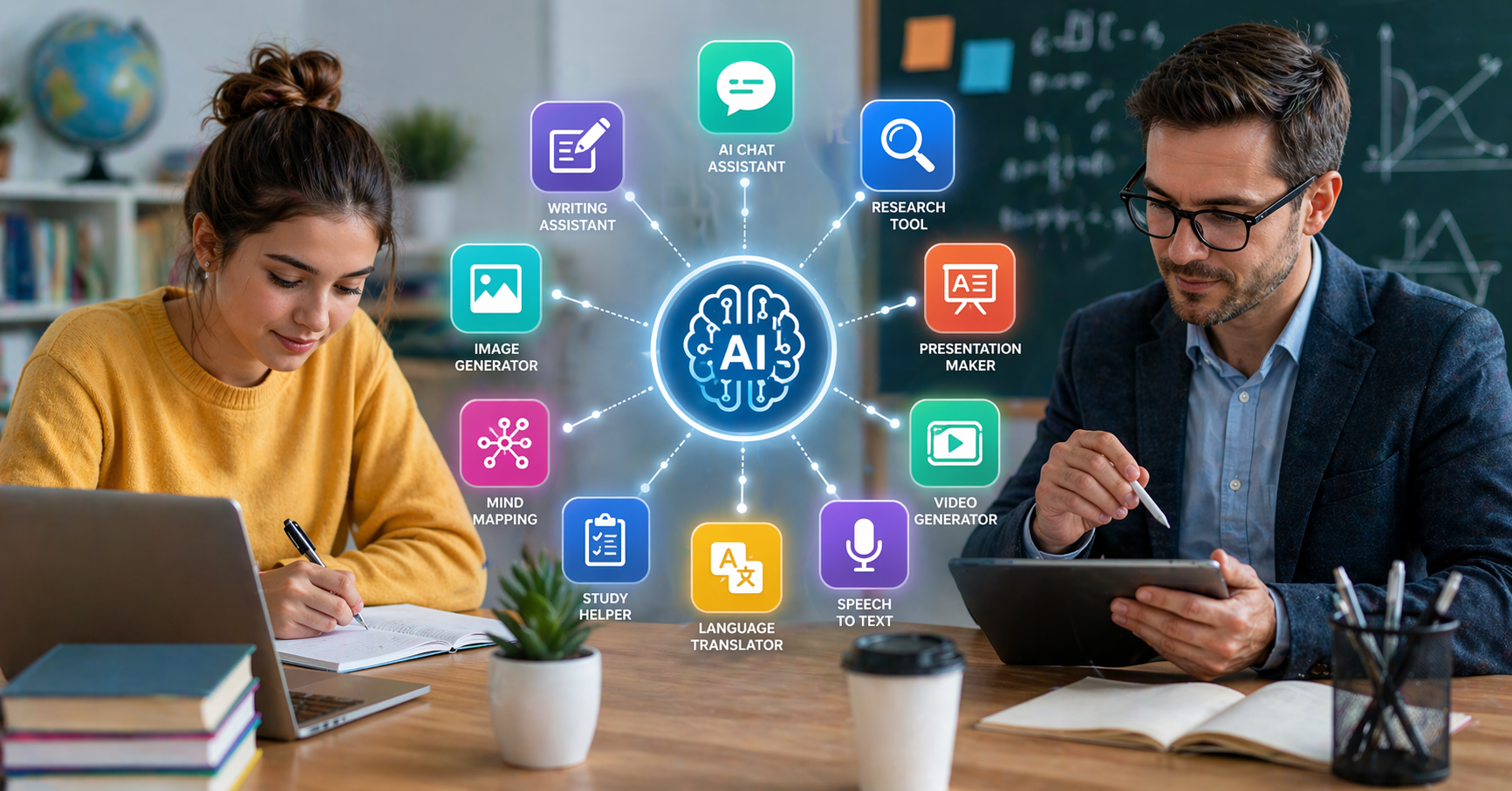
Top 10 AI Tools for Students and Educators in 2026
As we venture deeper into the digital age, artificial intelligence (AI) continues to reshape and redefine the boundaries of education. The integration of AI tools in the educational sector is not just a trend but a substantial evolution that offers a myriad of benefits and new opportunities for students and educators alike. In this article, we will explore the top 10 AI tools that are set to transform education in 2026.
How AI is Transforming Modern Learning
AI is making significant strides in personalizing learning experiences, automating administrative tasks, and providing real-time insights into student performance. By leveraging AI, educational institutions are able to offer more personalized attention to students, identify and address learning gaps, and enhance engagement through interactive and adaptive learning environments.
Key Benefits of AI in Education
Personalization
AI excels in tailoring educational content to meet the individual needs of students. Adaptive learning platforms use algorithms to analyze a student's past performance and adjust the curriculum accordingly, making learning more effective and enjoyable.
Time-saving
AI tools automate routine tasks such as grading and scheduling, freeing up valuable time for educators to focus on teaching and student interaction.
Accessibility
AI-powered tools like voice-to-text converters and real-time translation services make learning accessible to students with disabilities and those who speak different languages, breaking down barriers in education.
Real-World Examples of AI Tools in Education
AI is already making a difference in classrooms around the world. Here are some standout examples:
- ChatGPT: This conversational AI has been widely adopted for tutoring and providing feedback on written assignments.
- Adaptive Learning Platforms: Tools like DreamBox and Khan Academy offer courses that adapt to the pace and style of each learner.
Challenges and Limitations of AI in Education
Despite its benefits, the integration of AI in education does not come without challenges. Data privacy concerns, the digital divide, and the potential for reduced human interaction are significant issues that need to be addressed to maximize the potential of AI in educational settings.
Future Trends in AI Education
Looking ahead, AI is set to become even more embedded in educational systems. Predictive analytics, AI-driven curriculum design, and immersive VR classrooms are just a few of the innovations that we can expect to see more of by 2026.
The Top 10 AI Tools for 2026
- Neural Network Note Takers: These AI tools will summarize lectures in real-time, providing students with accurate, concise notes.
- AI Mentors: Using machine learning, these systems will offer personalized guidance and career advice to students.
- Intelligent Tutoring Systems: These systems will offer a more hands-on approach to personalized learning, adjusting in real-time to student responses.
- Automated Essay Scoring: Enhanced AI algorithms will provide more nuanced critiques of student writing than ever before.
- Virtual Reality Simulations: VR will be used to create immersive learning environments for complex subjects like science and history.
- AI-powered Research Assistants: These tools will help students and educators streamline the research process by efficiently sourcing and compiling relevant information.
- Speech Recognition Software: Improved speech recognition will aid language learning and help those with writing or typing difficulties.
- Collaborative AI: AI tools that facilitate group projects and foster collaboration among students from around the world.
- Adaptive Testing Platforms: These platforms will adjust the difficulty of tests based on the student’s aptitude, making assessments more fair and motivating.
- Data-Driven Career Prediction Tools: AI will analyze students’ skills and preferences to suggest potential career paths.
Conclusion
The future of education is here, and it is closely intertwined with the advancements in artificial intelligence. As we look towards 2026, the potential for AI to further enhance and personalize the learning experience is immense. By embracing these tools, educators and students can look forward to a more engaged, efficient, and inclusive educational environment.
Ready to revolutionize your educational experience with AI? Book a demo to explore our platform or contact us for a free consultation today!


Comments (0)