
How Adaptive Learning Technology Improves Student Performance
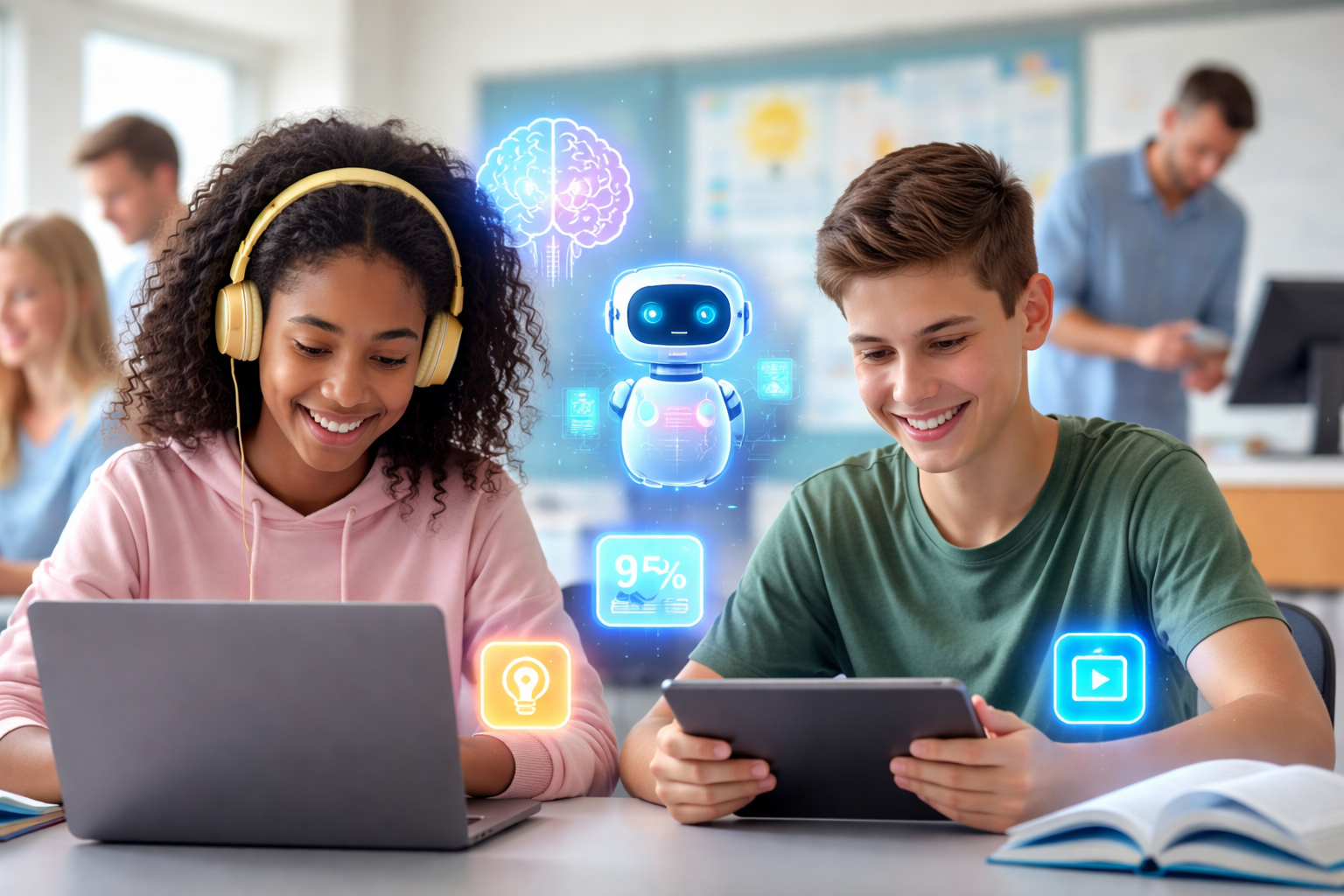
In the rapidly evolving world of education, adaptive learning technology is making a significant impact by tailoring educational experiences to meet the individual needs of each student. This personalized approach not only enhances learning outcomes but also keeps students engaged and motivated. In this article, we'll dive into how adaptive learning technology works and the ways it improves student performance.
Understanding Adaptive Learning Technology
Adaptive learning is an educational method which uses computer algorithms to orchestrate interactions with the learner and deliver customized resources and learning activities to address the unique needs of each learner. In practice, this means that when a student interacts with an adaptive learning platform, their responses are continuously analyzed to determine their strengths, weaknesses, and learning pace. The system then adjusts the content accordingly, focusing on areas that require more attention.
The Benefits of Adaptive Learning
Personalized Learning Paths
One of the core advantages of adaptive technology is the creation of personalized learning paths. Each student receives a tailor-made learning experience that suits their individual learning style and pace. This personalization helps to fill knowledge gaps and reinforces learning, thereby enhancing overall academic performance.
Immediate Feedback and Support
Adaptive systems provide immediate feedback to learners, which is crucial for effective learning. This feedback helps students understand their mistakes right away and prevents the reinforcement of incorrect understanding. Moreover, it allows learners to receive the support they need at the moment they struggle, which keeps frustration low and engagement high.
Improved Engagement and Motivation
With adaptive learning, students are more likely to stay engaged as the content is aligned with their personal learning preferences and challenges. This relevance to their own learning needs and goals significantly boosts motivation and drives better outcomes.
Real-World Impact of Adaptive Learning
Studies have shown that adaptive learning technologies can lead to significant improvements in student performance. For instance, a study by the Bill & Melinda Gates Foundation found that adaptive learning platforms can improve test scores significantly for students at various levels of proficiency. Furthermore, schools that incorporate adaptive technology report higher graduation rates and better student satisfaction.
Implementing Adaptive Learning in Schools
Integrating adaptive learning technology into existing educational systems involves a strategic approach. Schools need to consider their infrastructure capabilities, training for teachers, and the alignment of educational content with adaptive platforms. Additionally, it is crucial to ensure that these technologies are accessible to all students to avoid a digital divide and ensure inclusive education.
Conclusion
Adaptive learning technology not only supports individualized learning experiences but also significantly enhances student performance and satisfaction. By effectively integrating adaptive tools into the educational framework, schools can provide their students with a powerful means to succeed in their academic journeys. As technology continues to evolve, the potential for even greater enhancements in learning and teaching methods is immense.



Comments (0)