
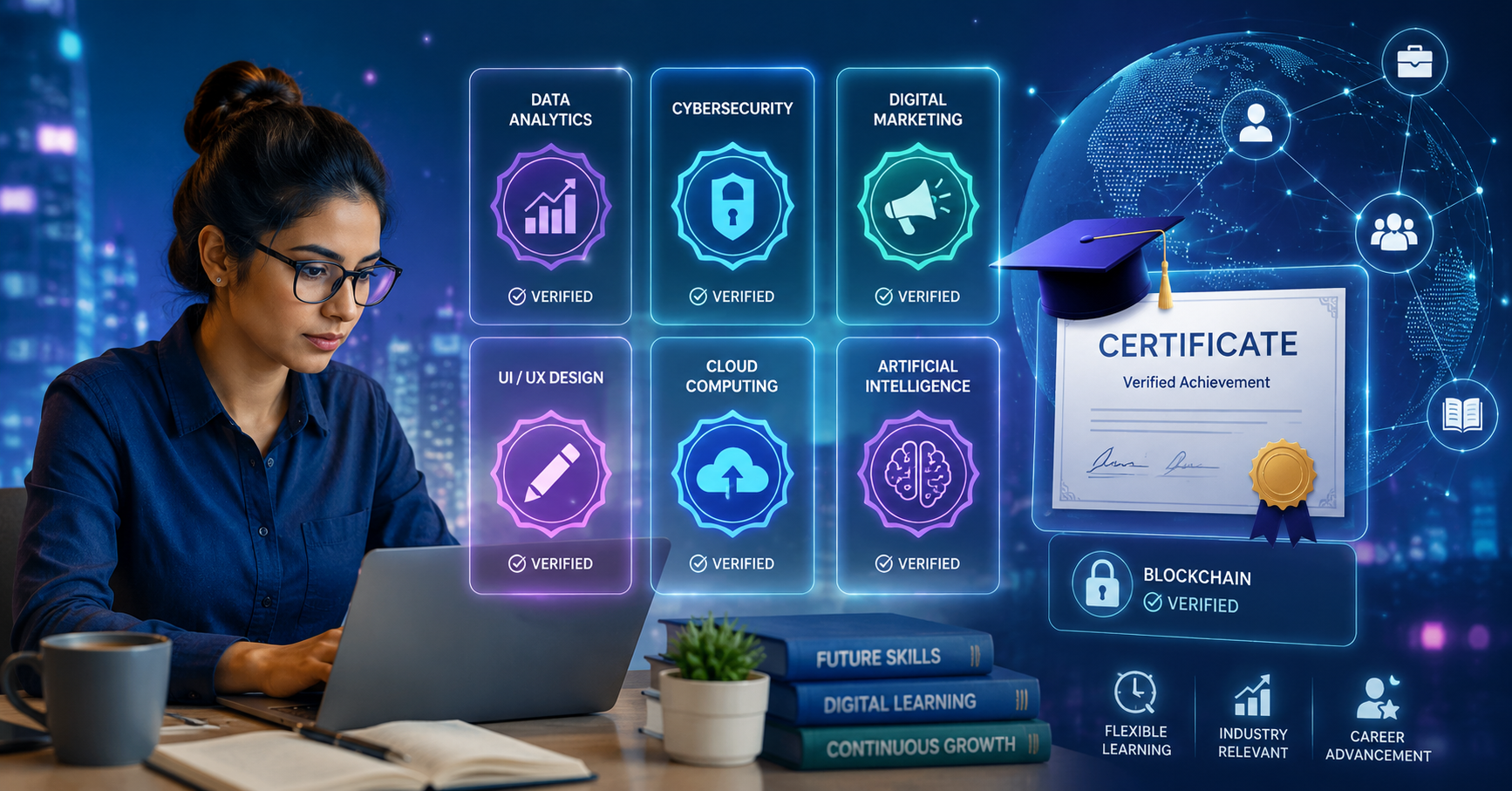
The Future of Micro-Credentials and Digital Learning Certifications
The landscape of education and professional development is rapidly evolving, with micro-credentials and digital learning certifications emerging as significant elements of the future of learning. These innovative forms of certification are becoming increasingly important in a world where the need for versatile, lifelong learning is more prominent than ever.
What are Micro-Credentials?
Micro-credentials are short, focused certifications designed to provide learners with specific skills or knowledge in niche areas. Unlike traditional degrees, these credentials are often more dynamic and can be stacked to build comprehensive expertise. They cater specifically to the needs of various industries and are developed in collaboration with industry leaders to ensure relevance.
The Rise of Digital Learning Certifications
Digital learning certifications are credentials earned through online educational platforms. They demonstrate a learner's commitment and knowledge in a specific subject area and are highly valued by employers across diverse industries. These certifications can range from technical skills like coding and data analysis to soft skills like leadership and communication.
Key Drivers of Growth in Micro-Credentials and Digital Learning
Several factors contribute to the increasing popularity of micro-credentials and digital learning certifications:
- Economic Shifts: Rapid technological advancements and changing industry standards require continuous skill updates, fueling demand for relevant and accessible learning options.
- Educational Flexibility: Micro-credentials offer the flexibility to learn at one’s own pace and tailor education paths to specific career goals, making higher education more accessible to a broader audience.
- Employer Recognition: More employers are recognizing the value of micro-credentials and digital certifications as reliable indicators of a candidate's abilities and commitment to professional growth.
Impact on Employment and Career Development
Micro-credentials and digital certifications are reshaping how credentials are perceived in the job market. They enable professionals to showcase their abilities in specific skills, making them more attractive to employers who are looking for precise capabilities rather than generalist knowledge. This trend is particularly evident in tech-driven industries but is quickly spreading to other sectors as well.
Challenges and Considerations
Despite their benefits, the rise of micro-credentials and digital certifications also presents challenges:
- Standardization Issues: With no universal standards, the value of micro-credentials can vary significantly between providers, leading to potential confusion among employers.
- Quality Control: As more providers enter the market, maintaining high educational standards and staying updated with industry needs is crucial.
- Equity and Access: Ensuring that digital learning opportunities are accessible to all, regardless of socioeconomic status, is vital for broadening the benefits of micro-credentials.
The Future Outlook
Looking ahead, the trajectory for micro-credentials and digital learning certifications is overwhelmingly positive. Educational institutions, from universities to online course platforms, are increasingly integrating micro-credentials into their offerings. This trend is anticipated to continue, with a greater emphasis on aligning these programs with industry needs and improving their recognition across global markets.
For more insights and updates on the evolution of digital learning and certifications, visit our website at learningamplified.ai .
Conclusion
As we move forward, the integration of micro-credentials and digital certifications into the educational and professional landscapes signifies a major shift towards more personalized, flexible, and skill-specific learning pathways. This not only benefits individuals by enhancing employability and career development but also empowers industries through a more competent and dynamically skilled workforce. Embracing this change is essential for anyone looking to stay competitive in the rapidly evolving professional world.



Comments (0)