
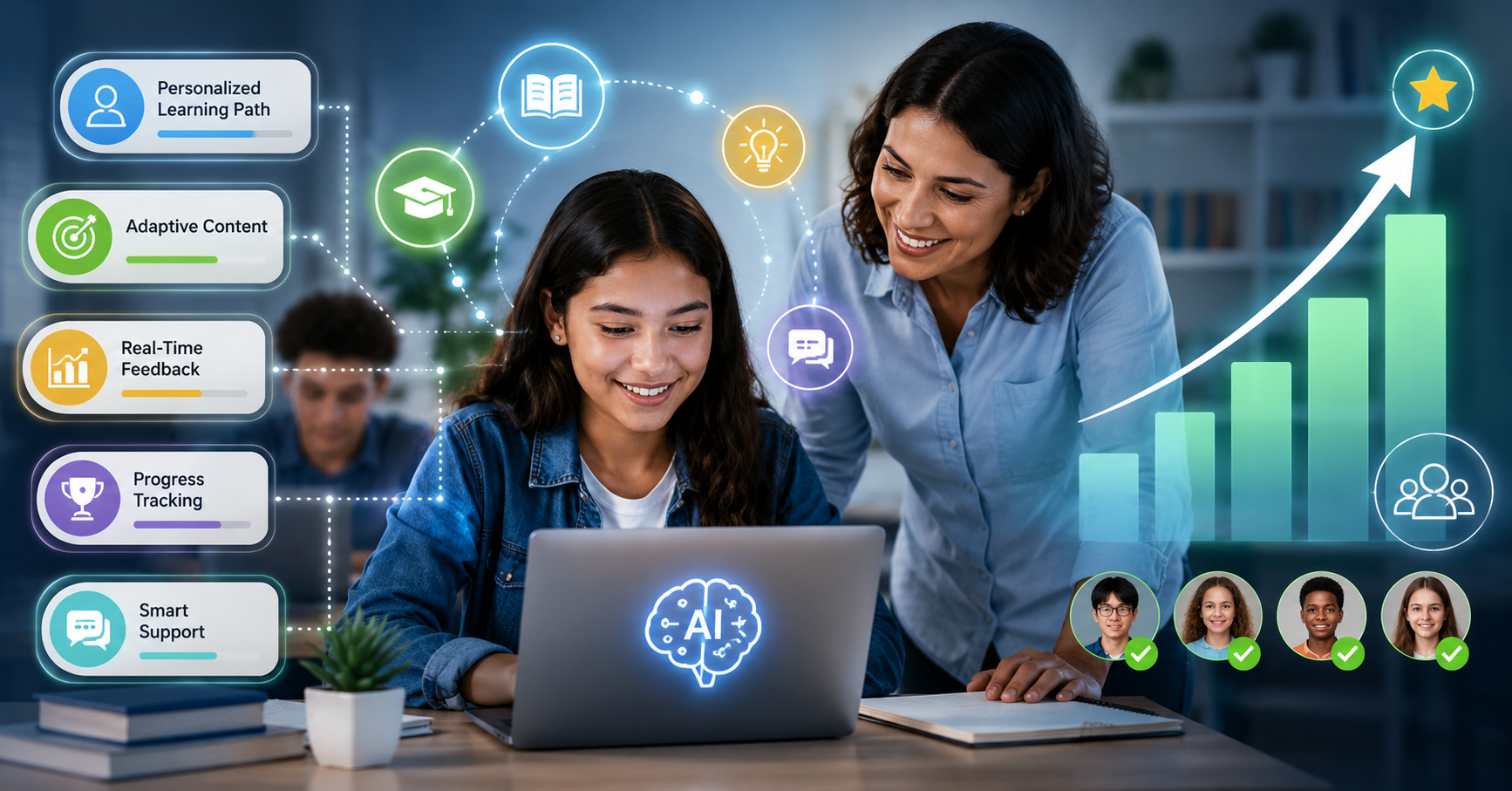
How Personalized Learning Is Improving Student Retention Rates
As educational institutions seek more effective methods to keep students engaged and successful, personalized learning has emerged as a significant trend. This approach tailors the educational experience to fit the individual needs, skills, and interests of each student, which in turn, enhances their learning outcomes and retention rates.
Understanding Personalized Learning
Personalized learning refers to educational strategies that address individual learning styles and pace. Unlike traditional learning models that adopt a one-size-fits-all approach, personalized learning focuses on providing custom educational experiences to foster deeper understanding and greater engagement among students.
The Impact of Personalized Learning on Retention Rates
Student retention is a critical measure of educational effectiveness, reflecting the ability of an institution to engage and educate its students so well that they are willing to continue their studies. Personalized learning plays a pivotal role in improving these rates by addressing several key factors:
- Engagement: Personalized learning increases student engagement by involving students in the learning process, making it more relevant and interesting to them.
- Pace and Competency: It allows students to learn at their own pace, reducing feelings of frustration or boredom associated with standard paced learning environments.
- Feedback and Support: This approach provides students with timely feedback and appropriate support, enhancing their understanding and ability to progress.
For more insights into personalized learning, visit our website: learningamplified.ai .
Case Studies and Evidence
Several studies highlight the effectiveness of personalized learning:
- A report by the Bill & Melinda Gates Foundation found that schools using personalized learning strategies saw significant improvements in student retention and academic achievement.
- Research conducted by the National Education Association demonstrates that students in personalized learning environments outperform their peers in traditional settings in terms of both grades and standardized test scores.
Technologies Facilitating Personalized Learning
Technology plays a crucial role in enabling personalized learning. Advanced educational technologies like Learning Management Systems (LMS), Artificial Intelligence (AI), and Educational Apps are at the forefront of this transformation. These tools help in:
- Tracking Progress: AI algorithms can analyze student data to provide educators with insights into each student's progress and suggest areas that need attention.
- Adaptive Learning: Educational apps adapt the content based on the student's performance, ensuring they are neither under-challenged nor overwhelmed.
- Collaborative Learning: LMS platforms facilitate collaboration among students, enabling peer-to-peer learning and support.
Challenges to Implementation
Despite its benefits, the implementation of personalized learning is not without challenges. These include:
- Resource Intensity: Personalized learning requires significant resources in terms of technology, training, and time.
- Scalability: Tailoring education to individual needs can be challenging to scale, especially in larger educational institutions with limited resources.
- Data Privacy: The increased use of technology involves risks related to data privacy and security, which must be meticulously managed.
Conclusion
Personalized learning is proving to be a game-changer in the field of education, significantly enhancing student retention rates. By focusing on the individual needs and pace of students, this approach not only improves engagement and learning outcomes but also addresses traditional challenges of education systems. Although there are obstacles in its widespread implementation, the potential benefits make it a worthy pursuit for educational institutions aiming to foster better learning environments and ensure student success.
To explore how your institution can implement personalized learning.

Comments (0)