
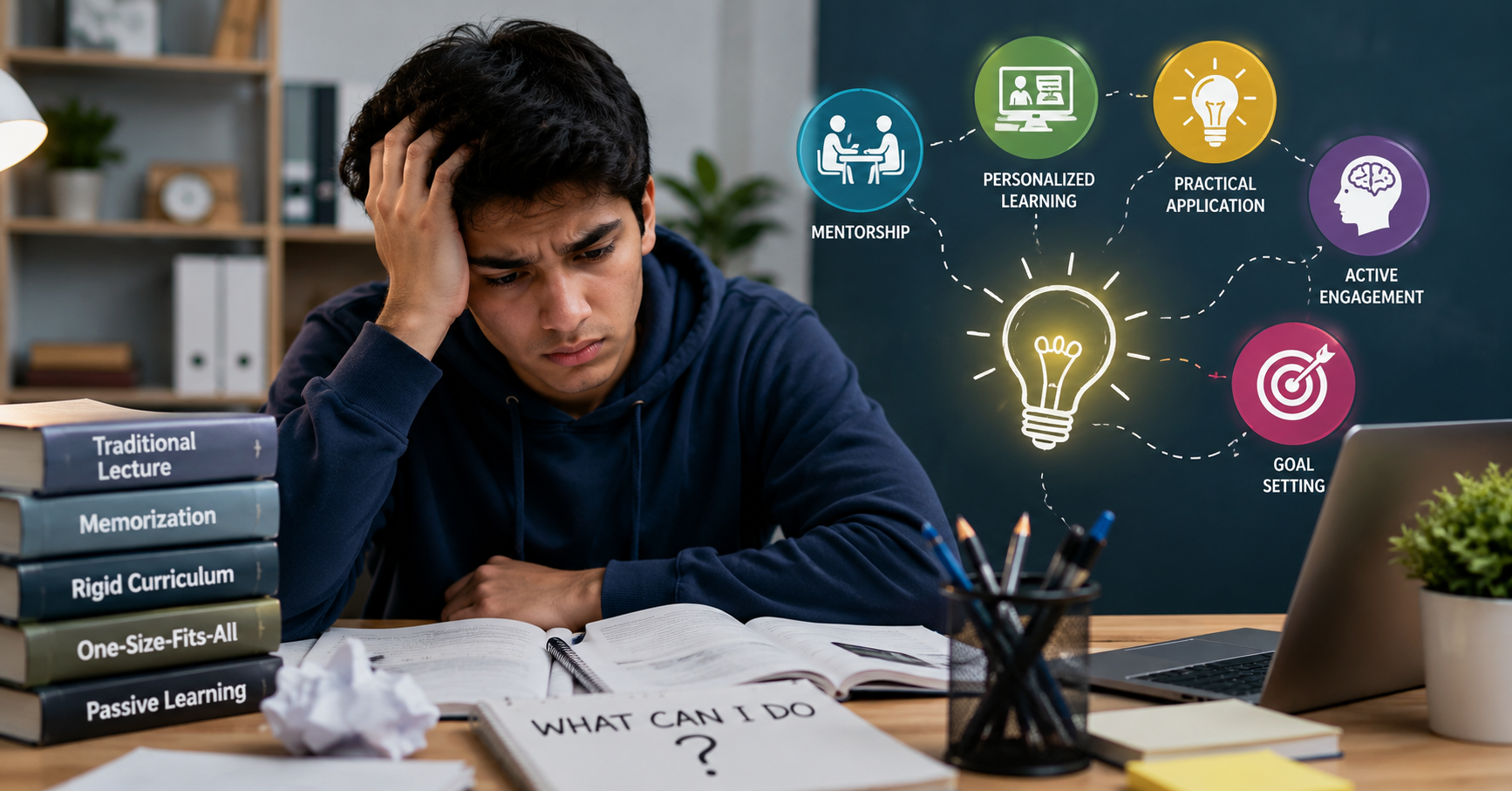
Strategies for Students Struggling With Traditional Teaching Methods
Many students find themselves at odds with traditional teaching methods, which can often lead to frustration and a lack of engagement in their educational journey. Traditional methods, typically characterized by lecture-based teaching and standardized testing, might not cater to the diverse learning needs of every student. This article explores various strategies that can help students who struggle with these conventional approaches, offering alternatives that might better align with their learning styles.
Understanding Different Learning Styles
The first step towards addressing the struggles with traditional teaching methods is to understand and acknowledge different learning styles. Educational psychologists often refer to the VARK model, which categorizes learning styles into four types: Visual, Auditory, Reading/Writing, and Kinesthetic. Each student may lean towards one or more of these styles. For instance, visual learners benefit significantly from diagrams and flow charts, while kinesthetic learners achieve better results through hands-on activities and experiments.
Integrating Technology in Learning
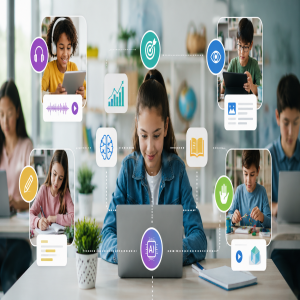
Incorporating technology into the learning process can provide alternative ways to engage students who find traditional methods challenging. Educational technologies such as virtual reality (VR), augmented reality (AR), and gamified learning platforms can transform the learning experience by making it more interactive and immersive. Tools like Kahoot for quizzes or educational apps like Duolingo for language learning can also make the learning process more enjoyable and accessible.
Customized Learning Plans
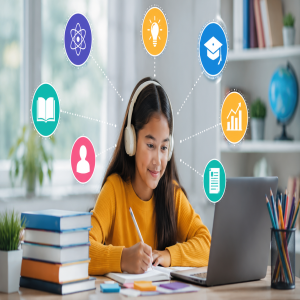
Personalized learning plans are crucial for students who do not thrive under standard educational models. These plans take into account a student's strengths, weaknesses, and preferred learning styles. By tailoring the educational content and the pace at which it is delivered, educators can create a more inclusive learning environment that caters to the needs of all students.
Project-Based Learning
Project-based learning (PBL) is an instructional methodology that encourages students to learn and apply knowledge and skills through an engaging project. This method helps in developing critical thinking, problem-solving, and collaborative skills. PBL can be particularly beneficial for students who need to see the real-world application of what they are learning in order to remain engaged.
Flipped Classroom Models
The flipped classroom is a pedagogical model where the typical lecture and homework elements of a course are reversed. Short video lectures are viewed by students at home before the class session, while in-class time is devoted to exercises, projects, or discussions. This model allows students to learn at their own pace at home and apply what they've learned in a collaborative setting with the support of the teacher.
Support and Resources
Support from teachers, parents, and peers plays a vital role in the success of students struggling with traditional methods. Additionally, seeking help from academic counselors or special education professionals can provide students with further strategies and resources tailored to their specific needs.
For more detailed guides and additional resources, visit our website at learningamplified.ai .
Conclusion
Adapting to the diverse needs of students is essential for their academic success and personal growth. By exploring and implementing alternative teaching strategies such as understanding different learning styles, integrating technology, and applying project-based learning, educators can provide a more flexible and inclusive educational experience. Embracing these strategies not only helps students who struggle with traditional methods but also enriches the learning environment for all students.

Comments (0)