
How Adaptive Technology Supports Different Learning Styles
In the realm of education, recognizing and supporting different learning styles is not just an advantage but a necessity. With the advent of adaptive technology, educators are now equipped with tools that can cater to the varied needs of learners, making education more inclusive and effective. This blog explores the intersection of adaptive technology and learning styles, highlighting how these innovations are transforming the educational landscape.
Understanding Different Learning Styles
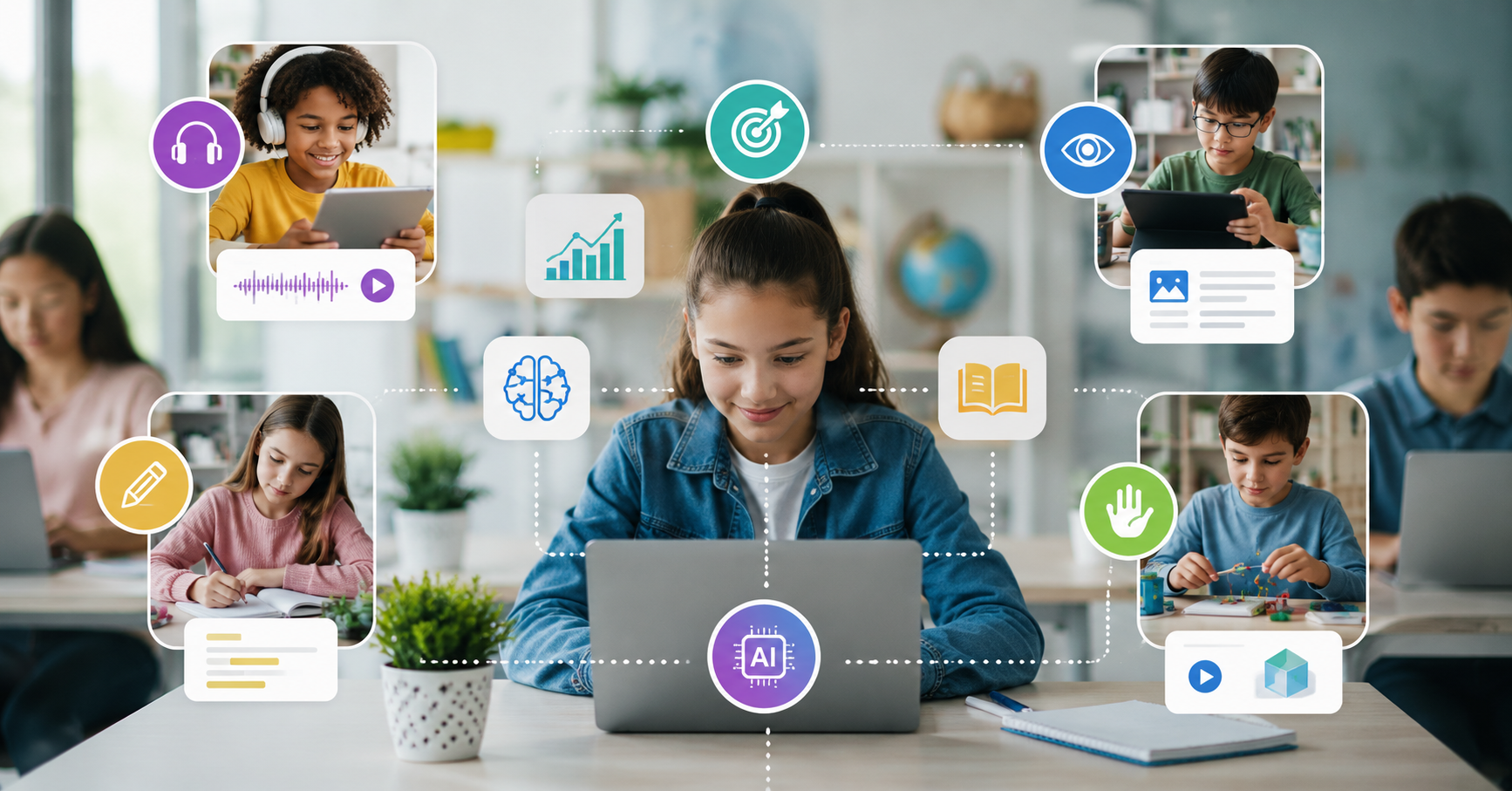
Before delving into the specifics of adaptive technology, it is essential to understand the various learning styles that students might exhibit. Broadly categorized, these include visual, auditory, reading/writing, and kinesthetic preferences. Each style has its unique traits and challenges, necessitating a tailored approach to education.
The Role of Adaptive Technology in Education
Adaptive technology refers to software and hardware designed to adjust to individual learning needs. These technologies are particularly crucial in a classroom setting where the diversity of learning styles can be vast. By using adaptive tools, educators can create a more dynamic and responsive learning environment.
Examples of Adaptive Technology in Action
Several types of adaptive technologies are making significant impacts in classrooms:
- Interactive Software: This software adapts the content and pace based on the learner's responses and progress. For instance, platforms like Khan Academy offer lessons that adjust in difficulty as students demonstrate mastery or struggle with particular concepts.
- Text-to-Speech Tools: These tools are vital for students who have reading difficulties or are auditory learners. Text-to-speech technology helps by reading the text aloud, making written material more accessible.
- Personalized Learning Platforms: These platforms analyze a student’s performance over time and adapt to their learning curve, providing customized resources and assignments that suit their learning style.
For more detailed examples and case studies, visit our website at learningamplified.ai .
Benefits of Adaptive Technology
Adaptive technology offers numerous benefits, not only to students but also to teachers and educational institutions:
- Enhanced Engagement: By engaging students through modes that resonate with their learning style, these technologies increase motivation and enthusiasm for learning.
- Improved Accessibility: Students with disabilities or those who need different learning approaches find adaptive technologies particularly beneficial, making learning more accessible to everyone.
- Better Learning Outcomes: Adaptive tools can lead to improved academic performance as they cater to the individual’s learning pace and style.
- Efficient Teaching: Teachers can utilize these technologies to save time and effort, allowing them to focus more on interactive and creative teaching methods.
Challenges and Considerations
While the benefits are substantial, the integration of adaptive technologies also comes with its set of challenges. These include the high cost of implementation, the need for continuous updates and maintenance, and the training required for educators to effectively use these technologies. Additionally, there is a risk of over-reliance on technology, which might affect the development of traditional learning and critical thinking skills.
Conclusion
Adaptive technology is a powerful tool in the arsenal of modern education, offering tailored support to diverse learning styles and needs. While there are challenges to its implementation, the potential benefits in terms of personalized learning experiences and improved educational outcomes are immense. As technology continues to evolve, so too will its capabilities to enhance educational practices, making learning a more inclusive, engaging, and successful journey for all students.


Comments (0)