
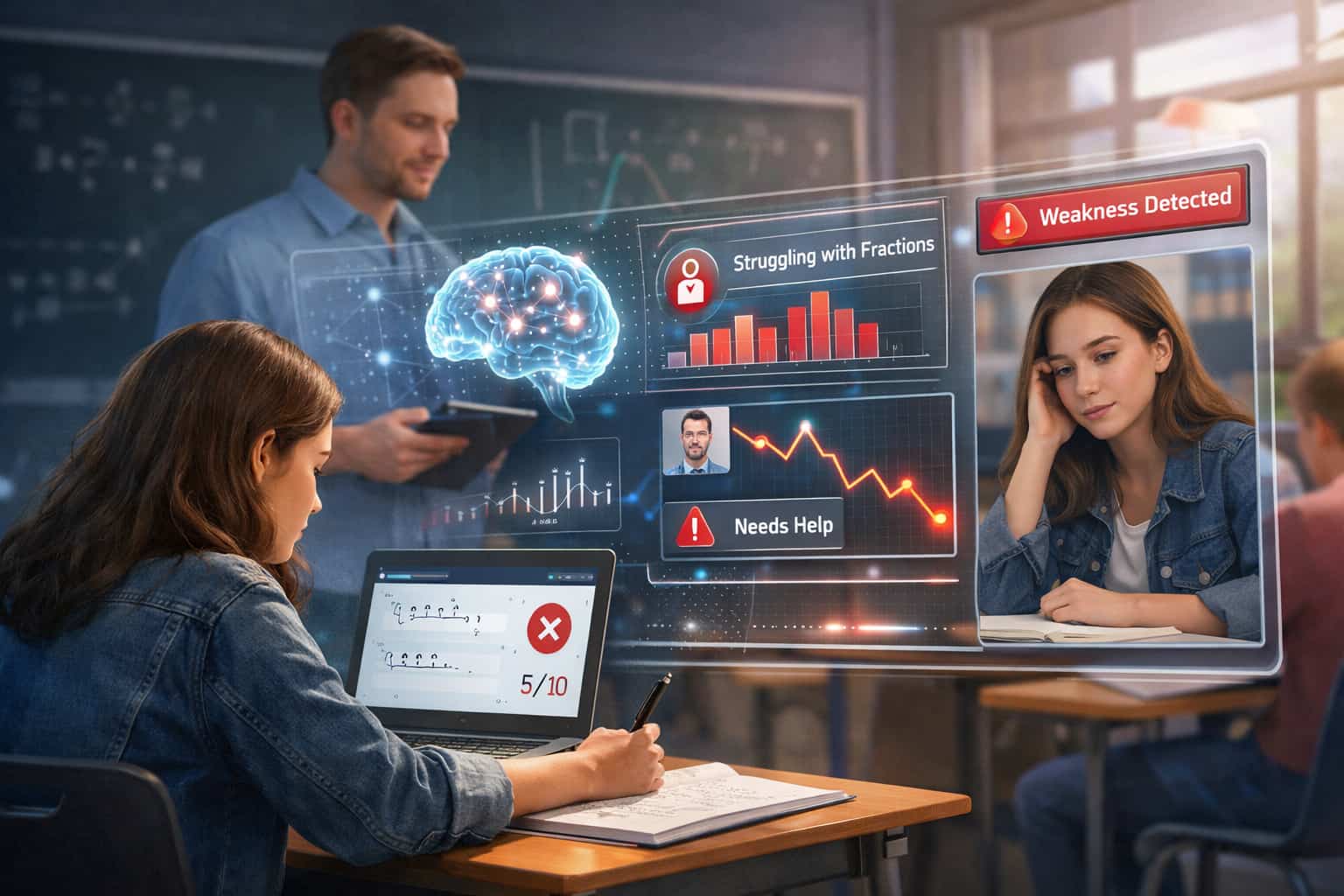
Real-Time Learning: How AI Detects Student Weakness Instantly
The integration of Artificial Intelligence (AI) in education has revolutionized the way educators approach teaching and how students engage with material. One of the most significant advances made possible by AI is the ability to detect students' weaknesses in real-time. This capability not only enhances learning outcomes but also allows for the customization of lesson plans to better suit individual needs.
Understanding AI in Education
AI in education refers to the application of machine learning algorithms and cognitive computing to create educational experiences that are tailored to the individual needs of students. These technologies analyze educational data at a scale that is impossible for human beings to achieve, providing insights that can be used to improve teaching strategies and student learning experiences.
How AI Identifies Weaknesses in Student Performance
AI systems in education work by continuously collecting and analyzing data on each student’s performance. These systems use various indicators such as quiz scores, assignment completion rates, and in-class participation to create a detailed profile of each student’s academic strengths and weaknesses. Machine learning algorithms then process this data to detect patterns and predict where students are most likely to struggle.
Real-Time Adjustment of Lesson Plans
With real-time feedback from AI systems, educators can adapt lesson plans on the fly. For example, if an AI tool notices that a significant number of students are struggling with a specific concept, it can immediately alert the teacher. The teacher can then revisit the concept using different instructional strategies or additional resources tailored to the students' needs.
Benefits of AI in Detecting Student Weaknesses
The ability of AI to identify student weaknesses instantly offers several benefits:
- Personalized Education: Each student receives attention tailored to their specific learning needs, which can help to close learning gaps more effectively.
- Increased Engagement: Students are more likely to be engaged when learning material is adjusted to their skill level and interests.
- Efficient Use of Classroom Time: Teachers can prioritize classroom time more effectively by focusing on areas where students need the most help.
- Early Intervention: Early detection of learning difficulties allows for timely intervention, preventing students from falling behind.
Challenges and Considerations
While AI offers remarkable tools for enhancing education, there are challenges and ethical considerations that must be addressed, such as data privacy concerns and the risk of over-reliance on technology. Educators must ensure that AI tools are used as a supplement to, not a replacement for, traditional teaching methods and that all students have equal access to these technologies.
Incorporating AI into Lesson Plans
To integrate AI effectively into lesson plans, educators should start by identifying reliable AI tools that align with their teaching goals. They should also receive proper training to utilize these tools effectively. Continuous evaluation of both student outcomes and the effectiveness of the AI tools is crucial to ensure that they are meeting educational objectives.
In conclusion, AI’s role in detecting student weaknesses in real-time is transforming education by enabling personalized learning experiences. As this technology continues to evolve, it holds the potential to further enhance how educational content is delivered and absorbed, ensuring that all students can achieve their full potential.


Comments (0)