
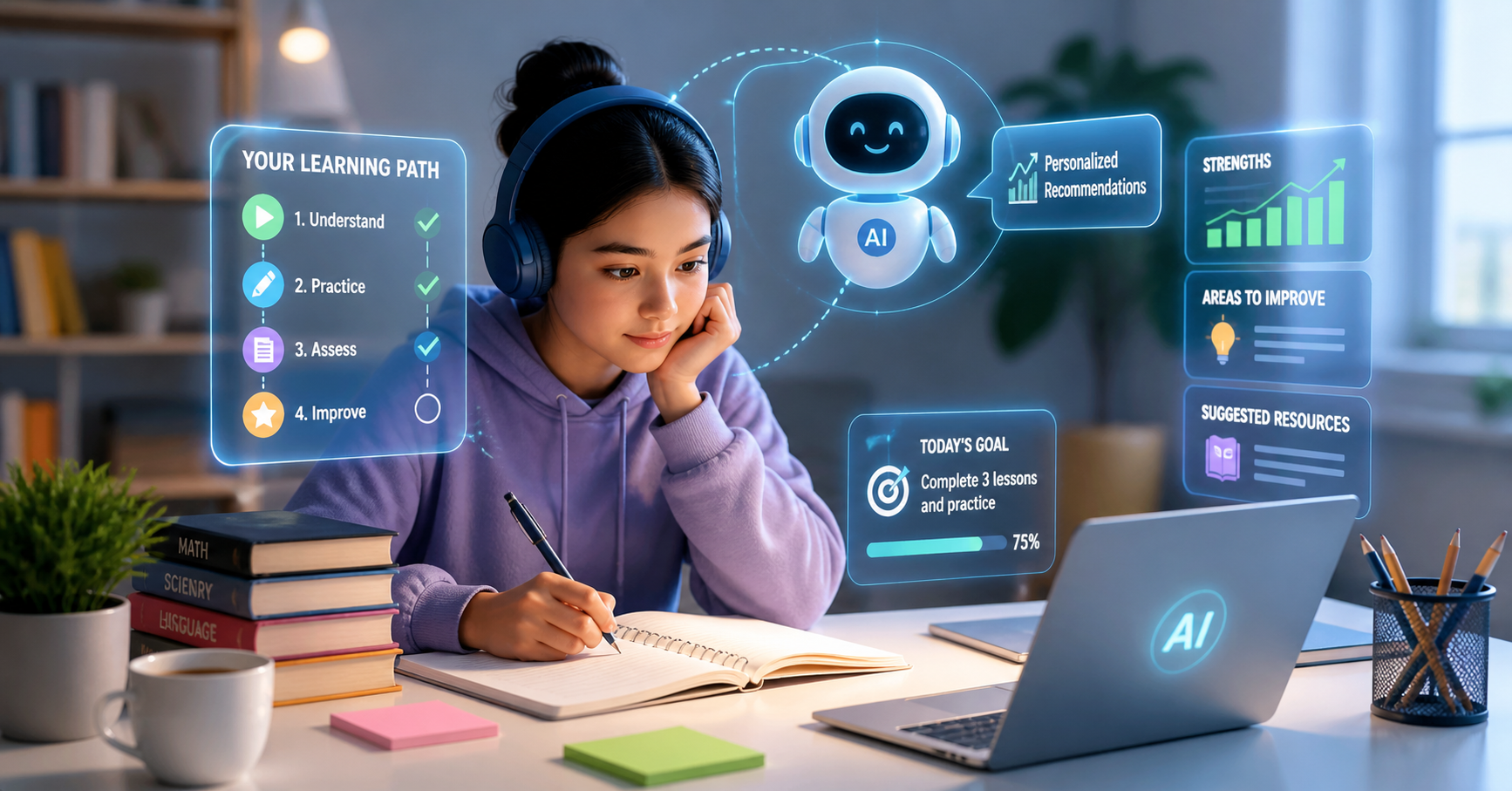
How to Use AI for Personalized Learning: A Step-by-Step Guide
With the rapid advancement of artificial intelligence (AI), personalized learning is becoming more achievable and effective in educational environments. This guide will explore how AI can be implemented to create a more tailored educational experience for learners, enhancing engagement and outcomes.
Understanding AI in Education
AI refers to systems or machines that mimic human intelligence to perform tasks and can iteratively improve themselves based on the information they collect. In education, AI can be utilized to provide personalized learning experiences, adaptive learning paths, and real-time feedback for students.
Step 1: Identify Your Educational Goals
Before integrating AI into your learning environment, it's crucial to clearly define your educational goals. Are you aiming to improve engagement, increase knowledge retention, or provide support for diverse learning needs? Understanding your objectives will guide the selection of the appropriate AI tools and solutions.
Step 2: Choose the Right AI Tools
There are several AI tools available that cater to different aspects of learning:
- Learning Management Systems (LMS) with AI capabilities: These can adapt course material based on student performance.
- AI Tutors: Virtual tutors can provide additional support and personalized feedback to students.
- Data Analytics Tools: These tools can analyze student data and provide insights into learning patterns and needs.
Step 3: Integrate AI Tools into Your Curriculum
Once you have selected your AI tools, the next step is to integrate them into your curriculum. This involves:
- Setting up the AI tools within your current educational framework.
- Training teachers and students on how to use these tools effectively.
- Ensuring that the tools are used to supplement and enhance traditional teaching methods, not replace them.
Step 4: Monitor and Analyze Student Performance
AI tools offer the ability to closely monitor and analyze student performance. Use these insights to identify areas where students may need more support or advanced materials. This continuous feedback loop allows for the constant tailoring of the learning experience to meet each student's unique needs.
Step 5: Continuously Improve Your Approach
AI in education is not a set-it-and-forget-it solution. It requires ongoing evaluation and adjustment. Regularly assess the effectiveness of AI tools in meeting your educational goals and make adjustments as necessary. This might involve changing AI solutions, tweaking integration methods, or providing additional training for users.
Conclusion
AI offers powerful tools for personalizing education, but its success largely depends on thoughtful implementation and continuous improvement. By following this step-by-step guide, educators can effectively integrate AI into their teaching strategies, ensuring that each student receives a learning experience that is tailored to their individual needs and abilities. Embrace AI in your educational practices today and unlock a new horizon of possibilities for your learners.

Comments (0)