
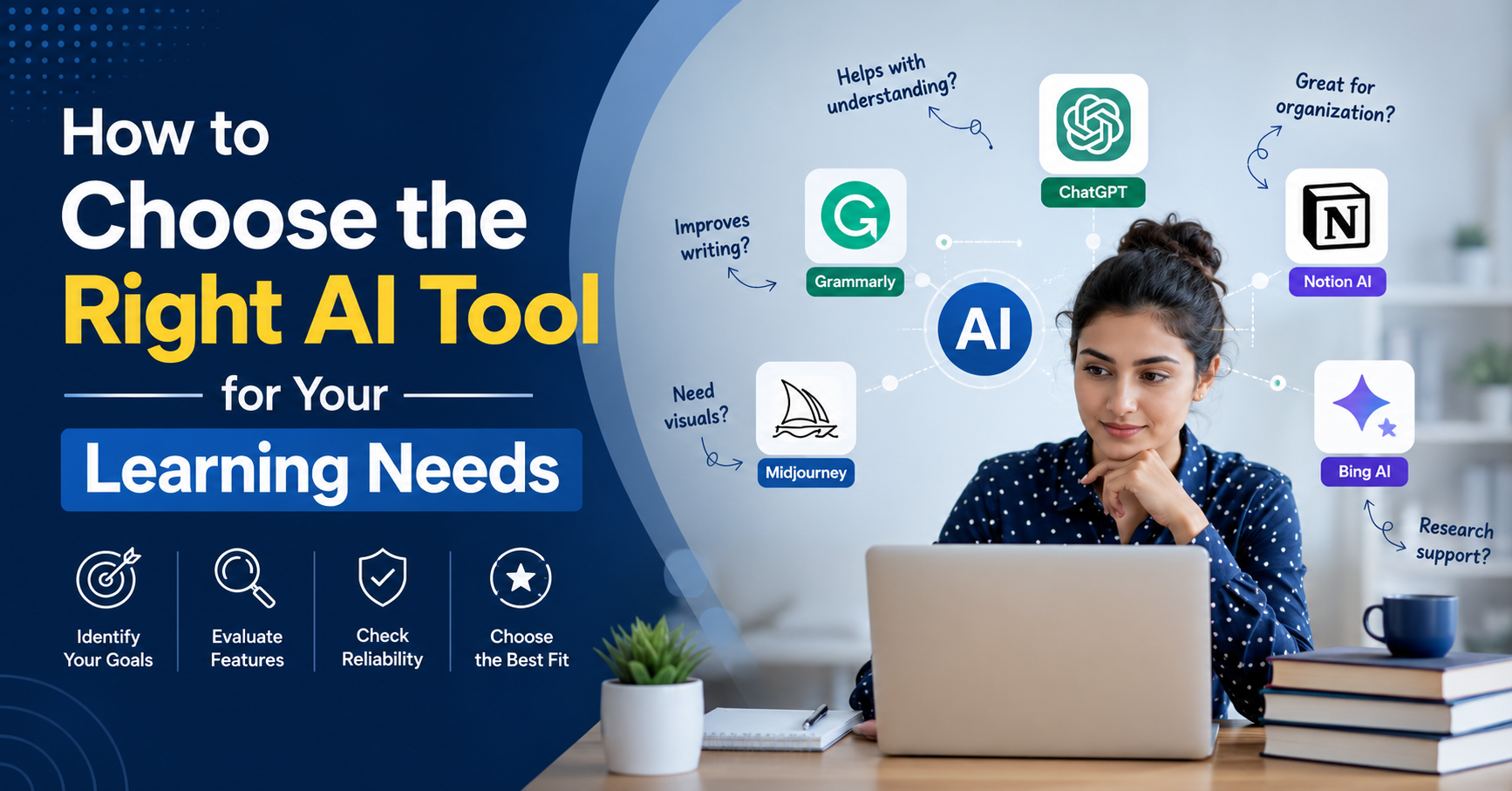
How to Choose the Right AI Tool for Your Learning Needs
With the rapid advancement of artificial intelligence (AI), there are numerous tools available that promise to enhance learning experiences. Whether you are a student, educator, or lifelong learner, selecting the right AI tool can significantly impact your educational journey. This guide will help you navigate through the choices to find the best AI learning tool that meets your specific needs.
Understanding Your Learning Objectives
Before diving into the sea of available AI tools, it's crucial to clearly define what you aim to achieve with such technology. Are you looking to improve language skills, solve complex mathematical problems, or perhaps require help with coding? Understanding your learning goals will help you narrow down the options and choose a tool that is best suited for your educational requirements.
Evaluating AI Tool Features
Once you have a clear idea of your objectives, the next step is to evaluate the features that each AI tool offers. Key features to consider include:
- Adaptability: The tool should be able to adjust its difficulty levels based on the user's progress.
- Interactivity: Tools that promote engagement through interactive elements such as quizzes, games, or virtual labs can enhance learning.
- Feedback System: Immediate feedback is essential for effective learning, so look for tools that offer detailed assessments of your work.
- Content Quality: High-quality, up-to-date content is crucial. The tool should offer comprehensive resources that cover all aspects of the subject matter you are interested in.
For more detailed information on AI tools and their applications in education, visit learningamplified.ai .
Consider User Support and Community
Good user support can greatly enhance your learning experience. It’s beneficial to choose an AI tool that provides robust support, including tutorials, user manuals, and a responsive customer service team. Additionally, some AI tools have thriving communities where users can exchange ideas, solve problems, and share new uses of the tool. Engaging with these communities can provide valuable insights and enhance your learning curve.
Assessing Cost Versus Value
While some AI tools are free, others can be quite expensive. It’s important to assess whether the cost of the tool aligns with the value it provides. Consider factors such as the depth of the content, the sophistication of the technology, and the potential for long-term use. Sometimes, a higher initial investment in a more advanced tool can be more cost-effective in the long run.
Check for Compatibility and Integration
The AI tool should seamlessly integrate with other platforms and devices you are using. Compatibility with existing systems ensures that your workflow is not disrupted and allows for a smoother learning experience. It also helps in maintaining the consistency of data across different platforms, which is crucial for tracking progress and performance.
Conclusion
Choosing the right AI tool for your learning needs is a crucial decision that can have a significant impact on your educational outcomes. By understanding your objectives, evaluating the features, considering user support, assessing cost versus value, and checking for compatibility, you can select an AI tool that enhances your learning journey and helps you achieve your goals. Remember, the right tool should not only suit your current needs but also grow with you as your skills and interests develop.



Comments (0)