
Future of Education: How AI Will Change Learning in 5 Years
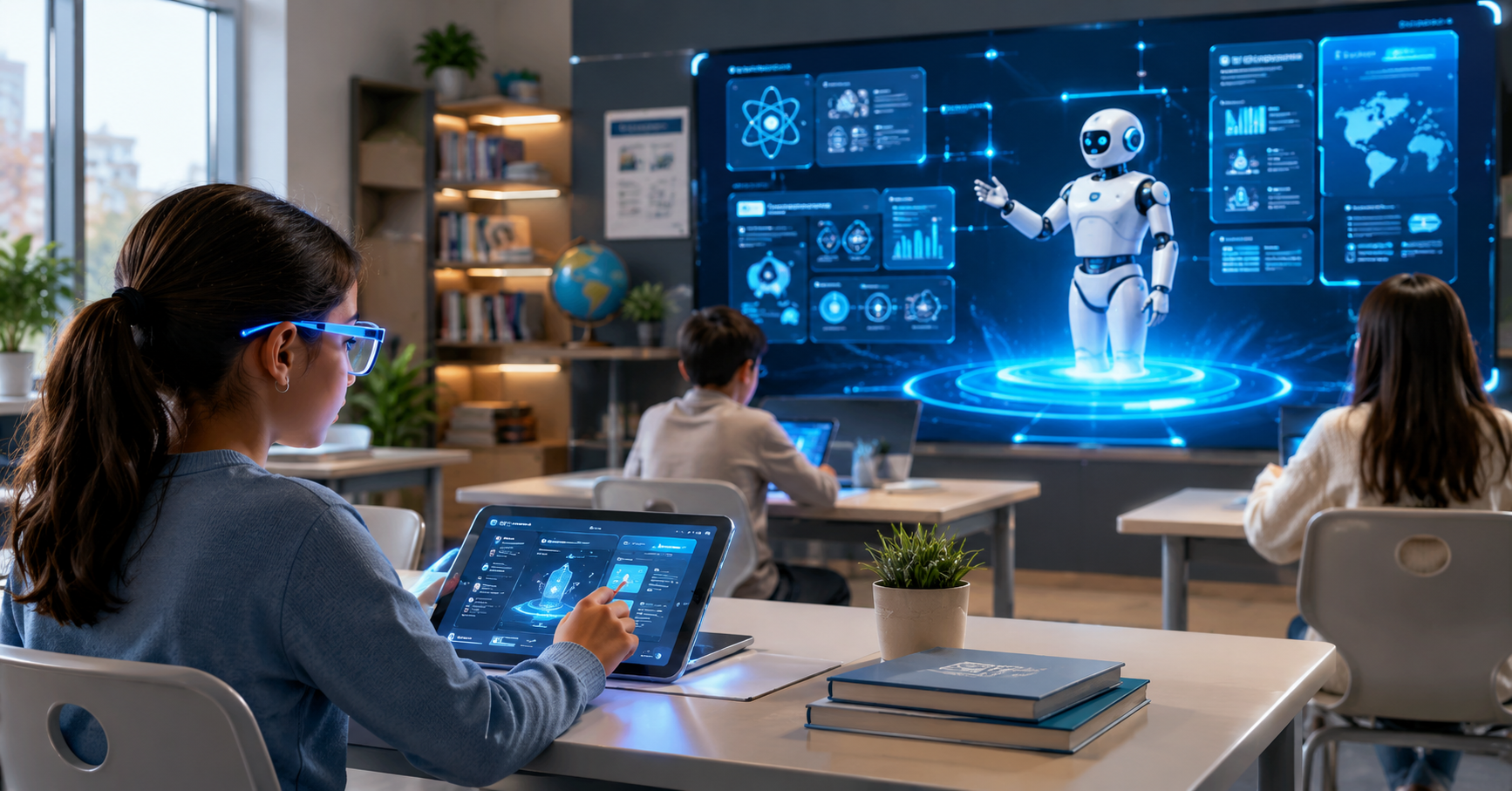
The landscape of education is on the brink of a revolutionary change, driven by the rapid advancements in artificial intelligence (AI). As we look towards the future, it's evident that within the next five years, AI will significantly alter how we teach, learn, and manage educational processes. This blog post explores the various dimensions in which AI is poised to transform the educational sector by 2028.
Personalized Learning Experiences
One of the most significant impacts of AI in education will be the ability to offer personalized learning experiences. AI technologies are capable of analyzing vast amounts of data from student interactions and performance. This analysis helps in understanding each student's unique learning pace and style. As a result, AI can customize lesson plans and learning activities to suit individual student needs, thereby enhancing learning outcomes and engagement.
Automating Administrative Tasks
AI will also play a crucial role in automating administrative tasks, which often consume a considerable amount of time for educators. Tasks such as grading, attendance, and scheduling can be efficiently managed by AI systems. This automation will allow teachers to dedicate more time to teaching and interacting with students, thereby improving the quality of education.
Enhanced Access to Education
AI technology will make education more accessible than ever before. Through AI-driven platforms, students from remote areas or those with disabilities can access high-quality educational resources. AI can also provide translation services and learning support, breaking down language barriers and educational disparities. This inclusivity will help democratize education, making it available to a wider audience worldwide.
Real-Time Feedback and Assessments
With AI, the feedback loop in educational settings can be significantly shortened. AI systems can provide real-time assessments of student work, offering immediate feedback that helps students correct mistakes and understand concepts better. This timely intervention can dramatically enhance learning efficiency and retention.
Preparing Students for Future Challenges
As AI continues to permeate various sectors, the demand for AI literacy and related skills will grow. Educational institutions will need to integrate AI education into their curricula to prepare students for future job markets. This involves not only teaching how AI works but also instilling an understanding of its ethical use and implications.
Conclusion
The integration of AI into education holds promising potential to enhance learning experiences, make education more accessible, and prepare students for future challenges. Over the next five years, these technologies will likely become integral to educational environments globally. As we embrace this change, it is crucial for educators, policymakers, and technology providers to collaborate and ensure that the benefits of AI in education are maximized and equitably distributed.
For more insights into the future of education and AI applications, visit our website at learningamplified.ai .


Comments (0)