
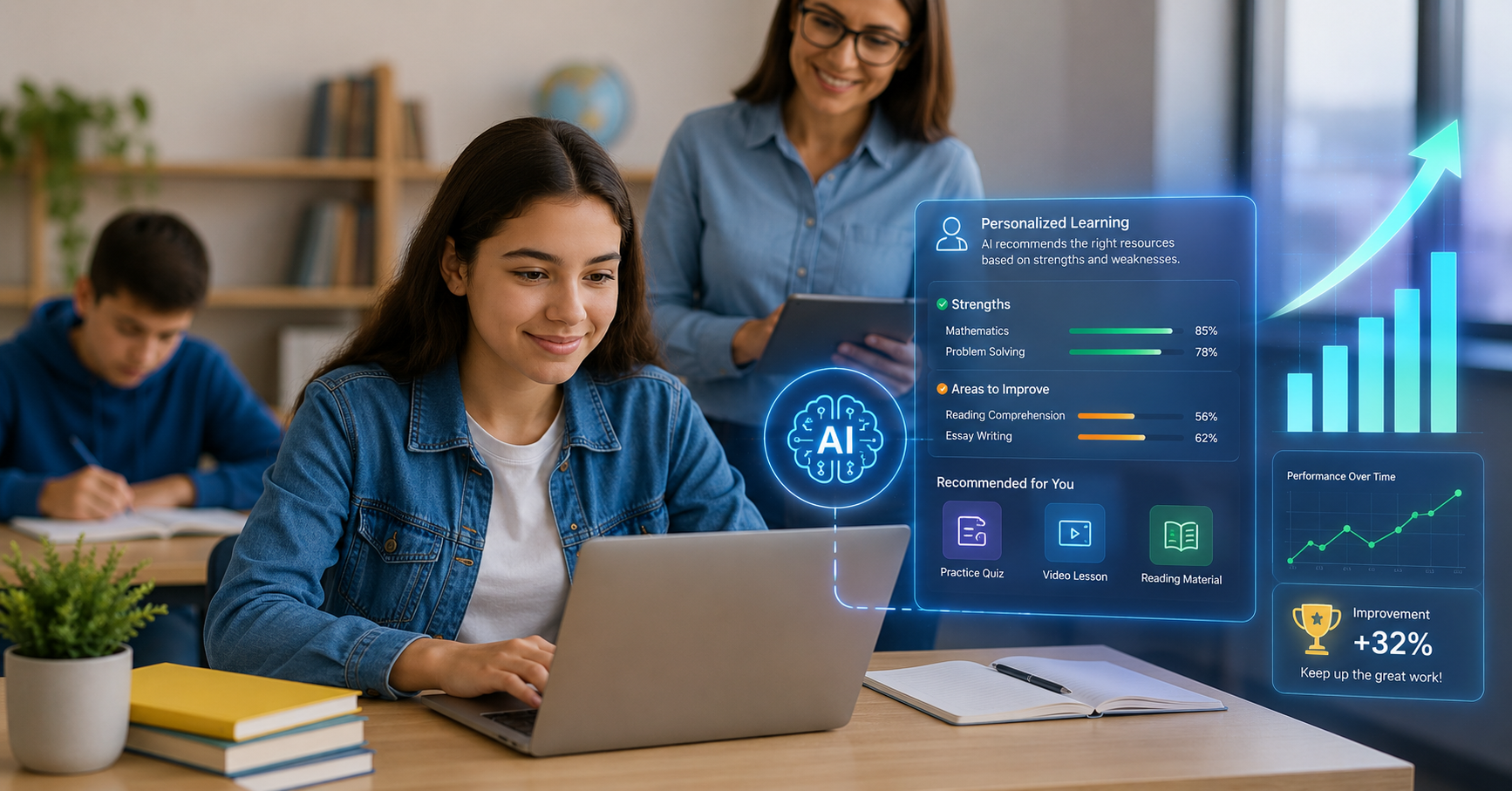
Case Study: How AI Improved Student Performance
In the rapidly evolving field of education, artificial intelligence (AI) has emerged as a game changer, particularly in enhancing student performance. This case study delves into the practical application of AI tools in a mid-sized educational institution, which witnessed significant improvements in student learning outcomes after the integration of AI technologies.
Background and Implementation
The subject of this case study is a public high school located in a suburban area with approximately 1,000 students enrolled. The school faced challenges in personalized learning and student engagement, which led to the adoption of AI-powered educational tools in 2021.
The implementation involved the introduction of AI-driven analytics platforms to help teachers tailor their instruction based on real-time data on students’ learning styles and performance. Additionally, an AI tutoring system was introduced to provide students with personalized assistance outside of classroom hours.
Tools and Technologies Used
The primary AI tools implemented in the school included:
- AI-Driven Analytics Platform: This platform analyzed student performance data to identify learning gaps and strengths, allowing educators to customize their teaching strategies effectively.
- Personalized AI Tutors: These virtual tutors offered supplementary support in subjects such as mathematics and science, adapting to each student’s pace and learning style.
- Automated Feedback Systems: These systems provided students with instant feedback on assignments and tests, accelerating the learning process and enhancing understanding.
Outcomes and Benefits
After one academic year of integrating AI tools, the school reported the following outcomes:
- Improved Test Scores: There was an average improvement of 15% in standardized test scores across all subjects among students using the AI tools.
- Increased Engagement: The AI-driven platforms made learning more interactive and engaging, leading to a 25% increase in student participation in classroom activities.
- Enhanced Personalization: Teachers were able to offer more personalized attention to students, significantly reducing the number of students at risk of falling behind.
Moreover, the school observed reduced teacher burnout due to the efficiency and assistance provided by AI tools, allowing educators more time to focus on critical teaching tasks and professional development.
Challenges and Considerations
Despite the positive outcomes, the implementation of AI in education did face several challenges:
- Technical Difficulties: Initial technical setbacks and integration issues with existing systems were significant hurdles.
- Training and Adaptation: Teachers and students required time and training to adapt to the new tools effectively.
- Data Privacy Concerns: Managing student data responsibly and ensuring privacy was a major concern that needed continuous attention.
Future Prospects
The promising results of AI integration in education suggest a bright future for its broader adoption. Schools looking to implement AI should consider a phased approach, ensuring adequate training and addressing potential challenges head-on. With the right strategies in place, AI can significantly enhance educational outcomes and prepare students for a technology-driven world.

Comments (0)