
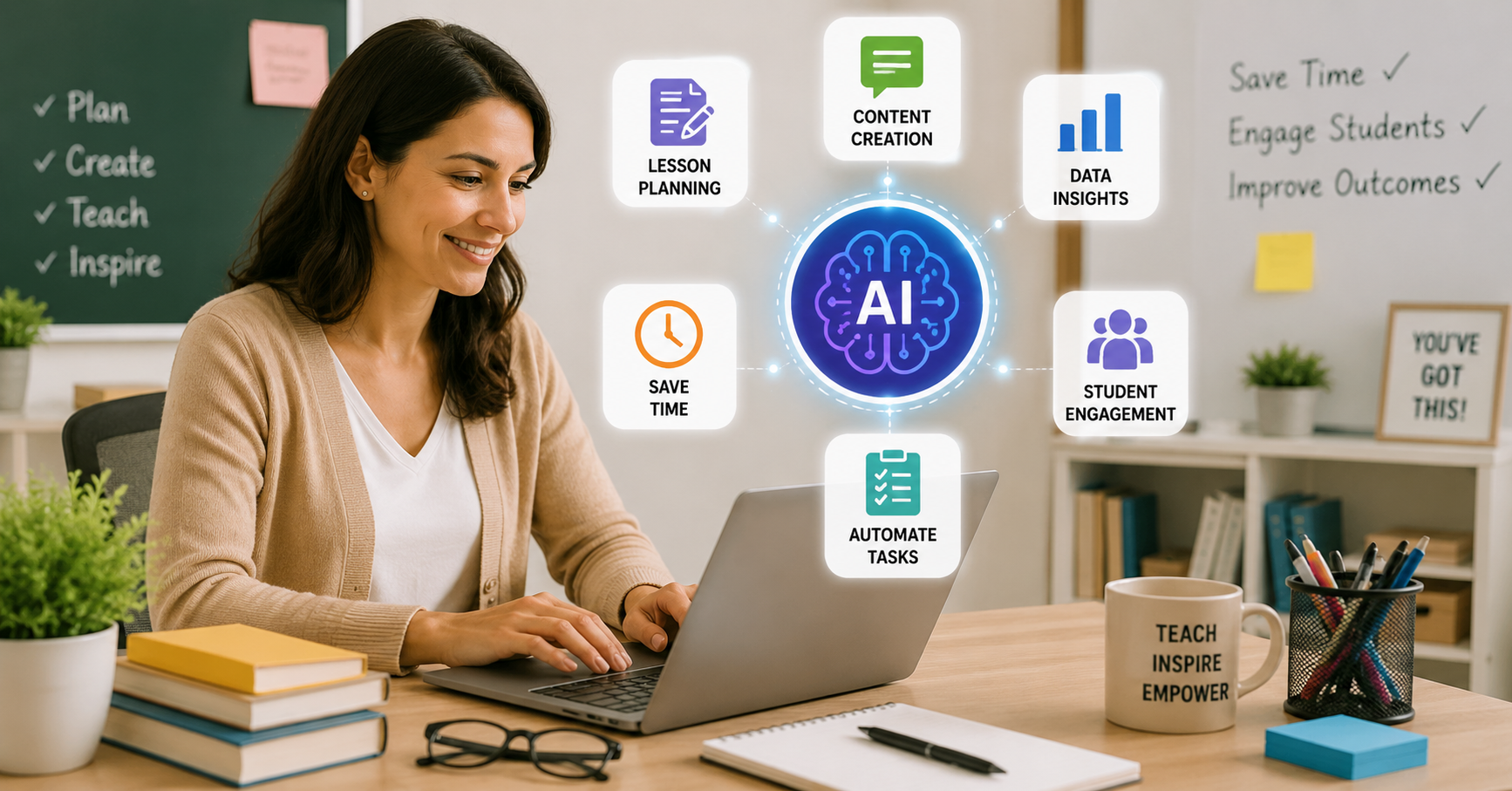
AI Tools for Teachers Save Time & Improve Teaching Efficiency
In the evolving landscape of education, artificial intelligence (AI) has emerged as a groundbreaking tool for teachers. AI technologies are not only transforming the way educators teach but also how they manage their time and resources. This article explores various AI tools that are revolutionizing the teaching profession by enhancing efficiency and productivity.
Understanding AI in Education
Artificial intelligence in education typically refers to the use of machine learning algorithms and software solutions to automate and improve learning and teaching processes. AI can personalize learning experiences, automate administrative tasks, and provide real-time insights into student performance, thereby allowing teachers to focus more on teaching and less on ancillary tasks.
Top AI Tools for Teachers
Several AI tools have been specifically designed to assist educators in various aspects of their profession. Here’s a look at some of the most effective AI tools currently available:
1. Automated Grading Systems
Tools like Gradescope and Turnitin use AI to assess and grade student submissions. These platforms can handle multiple formats such as written assignments, quizzes, and code. By automating grading, teachers can save a substantial amount of time and ensure consistency in evaluation standards.
2. AI-Powered Tutoring and Support Systems
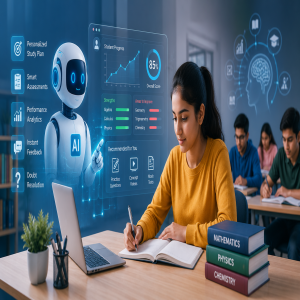
Platforms like Carnegie Learning and Squirrel AI provide personalized tutoring and learning support to students. By using AI to identify learning gaps, these tools offer tailored educational experiences that adapt to the individual needs of each student, thereby enhancing learning outcomes.
3. Classroom Management Tools
Classroom management can be significantly streamlined using AI tools such as Classcraft and NetSupport School. These platforms help manage student interactions and behavior by providing gamified learning environments and real-time monitoring solutions, making classroom management more engaging and less cumbersome.
4. Content Creation Tools
AI tools like Canva and Lumen5 assist teachers in creating engaging educational content. These tools use AI to help design visually appealing presentations, videos, and documents, reducing the time required to create high-quality educational materials.
5. Predictive Analytics Tools
Tools such as BrightBytes use AI to analyze student data and provide insights into learning patterns and outcomes. This can help teachers anticipate educational needs and tailor their teaching strategies accordingly.
For more detailed insights into how AI can transform your teaching methods, visit our website at learningamplified.ai .
Benefits of Using AI in Teaching
The integration of AI tools in education offers numerous benefits:
- Increased Efficiency: AI automates routine tasks such as grading and administration, freeing up time for teachers to engage in more meaningful educational interactions.
- Enhanced Personalization: AI can analyze individual student performance and learning habits to provide customized instructions and feedback, leading to better learning outcomes.
- Improved Accessibility: AI tools can offer educational support 24/7, making learning accessible to students anytime and anywhere, breaking traditional barriers of time and physical presence.
- Data-Driven Insights: With AI, teachers can obtain valuable insights from data generated through student interactions, helping them to make informed decisions that can improve teaching strategies and student engagement.
Challenges and Considerations
While AI in education comes with its set of advantages, it also poses certain challenges such as privacy concerns, the need for technical training for teachers, and the risk of over-reliance on technology. It is crucial for educational institutions to address these issues to fully leverage AI in a responsible and effective manner.
Conclusion
AI tools offer a promising avenue for enhancing teaching efficiency and educational outcomes. By automating routine tasks, providing personalized learning experiences, and delivering actionable insights, AI can significantly aid in the holistic development of students. As the technology advances, it will be imperative for educators to adapt and integrate these tools to not only save time but also improve the quality of education delivered. Embracing AI in education is not just about keeping up with technology but also about redefining the teaching and learning paradigms for the future.

Comments (0)