
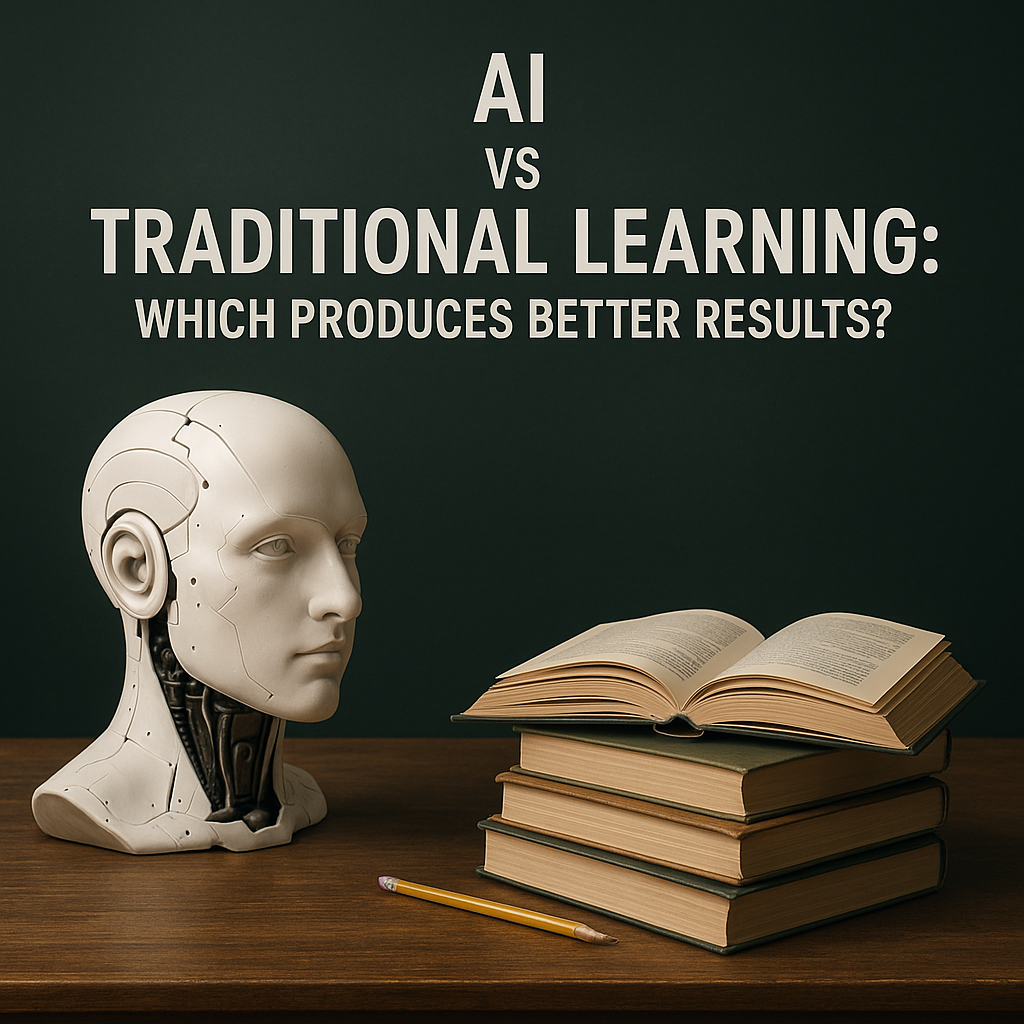
AI vs Traditional Learning: Which Produces Better Results?
In the evolving landscape of education, the integration of artificial intelligence (AI) into learning processes is a hot topic for educators, students, and technologists. As traditional educational methods face comparisons against these technologically advanced approaches, it becomes essential to analyze which method not only engages students better but also enhances their learning outcomes. This article delves into the effectiveness of AI-driven learning versus traditional learning paradigms.
Understanding Traditional Learning
Traditional learning, often characterized by in-person classroom settings, focuses on face-to-face interaction between students and teachers. It typically involves lectures, textbooks, note-taking, and standardized tests. This method has been the foundation of education systems worldwide, praised for its direct interaction and fixed curriculum, which aims to provide a stable and comprehensive educational experience.
The Rise of AI in Learning
AI in education introduces a highly personalized learning experience, where the content is tailored to meet the individual needs of each student. Technologies such as machine learning models, natural language processing, and intelligent tutoring systems are employed to create adaptive learning environments. These AI-driven systems can analyze student data and predict learning paths that are most likely to result in successful outcomes, adjusting the difficulty and format of content as needed.
Comparative Analysis: Engagement and Flexibility
One of the main advantages of AI-powered learning is the level of engagement and flexibility it offers. Unlike traditional settings, where the one-size-fits-all approach can fail to address individual learning styles, AI systems provide customized learning experiences that can motivate students by catering to their personal learning preferences. Furthermore, AI platforms often incorporate gamification elements which can make learning more interactive and fun.
Accessibility and Scalability
AI-driven learning solutions excel in accessibility and scalability. They allow students from different geographical, social, and economic backgrounds to access high-quality educational materials and resources. Moreover, AI systems can easily scale to accommodate an increasing number of learners without a corresponding increase in educational resources or costs.
Quality of Learning and Performance Outcomes
Studies comparing the effectiveness of AI and traditional learning methods in terms of educational outcomes have shown mixed results. While AI can provide immediate feedback and personalized learning trajectories, traditional methods benefit from the human element, such as teacher intuition and peer interaction, which are crucial for developing critical thinking and social skills. However, the integration of AI can lead to higher retention rates and more efficient learning in subjects where immediate feedback is particularly beneficial.
Challenges and Limitations
Despite its benefits, AI in education is not without challenges. Issues such as data privacy, the digital divide, and the lack of emotional connection can impact the effectiveness of AI learning systems. Similarly, traditional learning methods often struggle with resource limitations, teacher shortages, and unequal access to quality education.
Conclusion
Deciding whether AI or traditional learning produces better results does not yield a one-size-fits-all answer. Both methods have their strengths and weaknesses and can actually complement each other. For optimal educational outcomes, a hybrid approach, leveraging the strengths of both AI and traditional methods, might be the most effective strategy. As educational technologies continue to evolve, this synergy will likely lead to more innovative solutions that enhance learning experiences and outcomes for students around the world.
Comments (0)