
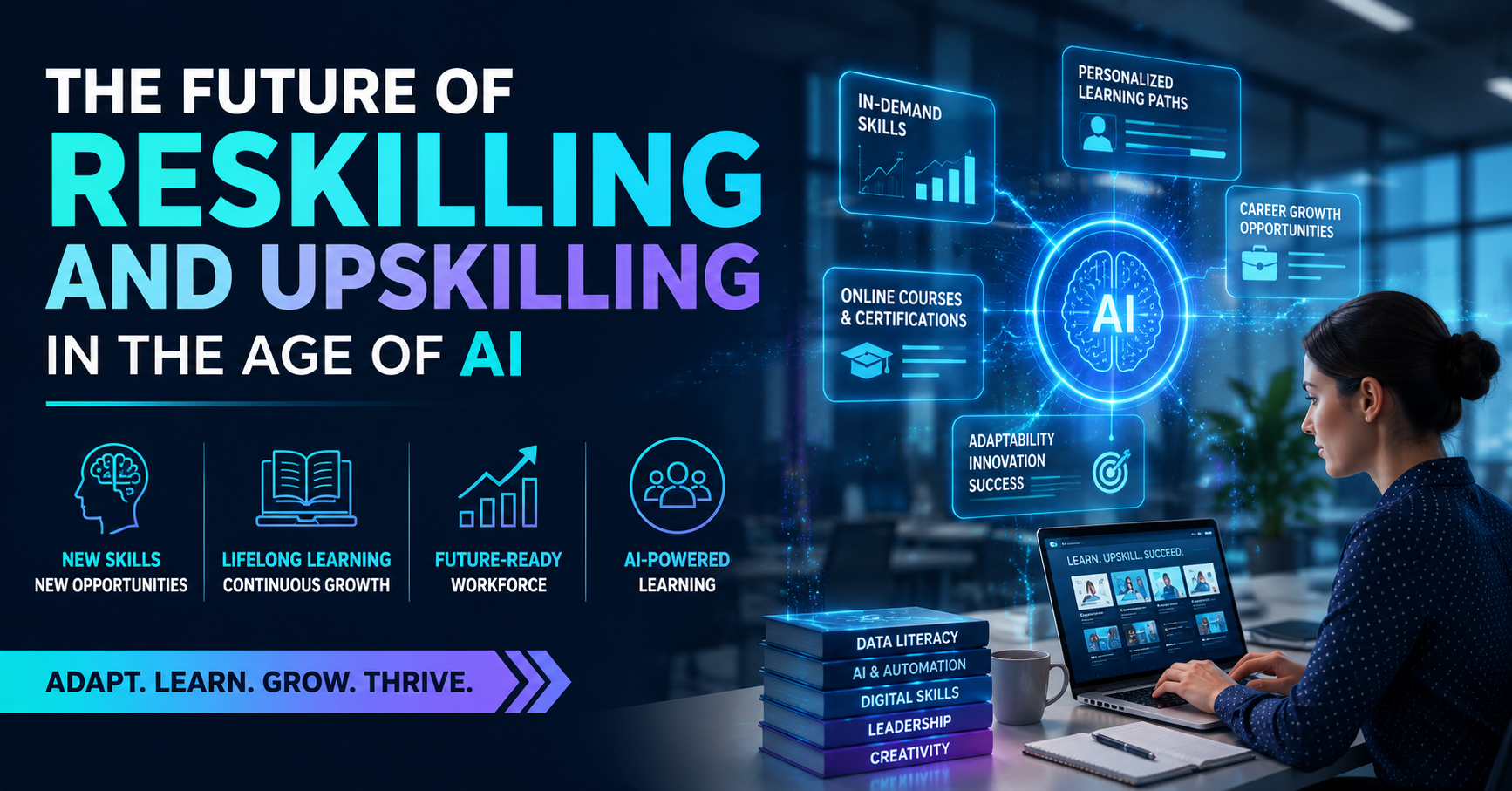
The Future of Reskilling and Upskilling in the Age of AI
In an era where artificial intelligence (AI) and automation are transforming the workplace, the concepts of reskilling and upskilling have become more crucial than ever. As technology evolves, so does the landscape of job skills required to thrive in the modern workforce. This shift demands a proactive approach to education and training, ensuring that workers are prepared for the jobs of tomorrow. This article explores the future of reskilling and upskilling in the age of AI, outlining the challenges and opportunities that lie ahead.
Understanding Reskilling and Upskilling
Before delving into the future, it's essential to define what reskilling and upskilling entail. Reskilling is the process of learning new skills so you can do a different job, or training people to do a different job. Upskilling, on the other hand, is the practice of teaching current employees new skills that are relevant to their existing job and the changing demands of the workplace.
The Impact of AI on the Workforce
AI and automation are not just buzzwords but are realities reshaping the workforce landscape. From manufacturing to services industries, AI technologies are being integrated to increase efficiency, reduce costs, and enhance productivity. However, this integration often leads to a displacement of jobs, creating a gap between current skills and those needed for new roles created by AI advancements.
Strategies for Effective Reskilling and Upskilling
To bridge the gap between current job roles and future needs, businesses, educational institutions, and individuals must adopt robust strategies for reskilling and upskilling. Here are some effective approaches:
- Continuous Learning Culture: Organizations should foster a culture that values continuous learning. Encouraging employees to engage in lifelong learning and providing access to necessary resources and training can help maintain a competitive edge.
- Partnerships with Educational Institutions: Businesses can collaborate with universities and online platforms to create tailored courses that meet the specific needs of their industry.
- Leveraging Technology: Online courses, virtual reality (VR), and augmented reality (AR) can be used to simulate real-world scenarios and provide hands-on experience without the high costs associated with traditional training methods.
For more insights, visit learningamplified.ai .
Challenges to Reskilling and Upskilling
While the benefits of reskilling and upskilling are clear, there are several challenges to implementing these strategies effectively. These include:
- Scalability: Scaling training initiatives to accommodate large numbers of employees can be costly and logistically challenging.
- Engagement: Keeping employees engaged and motivated to learn new skills can be difficult, especially for those who have been in a particular job role for a long time.
- Rapid Pace of Technological Change: The speed at which new technologies are developed can make it hard for training programs to stay current.
The Role of Government and Policy Makers
Government and policy makers play a critical role in the future of reskilling and upskilling. They can help by providing funding, creating policies that encourage lifelong learning, and establishing standards for emerging technologies. Additionally, governments can support transition programs that help workers move from declining industries to growing sectors.
Conclusion
As we advance further into the age of AI, the need for reskilling and upskilling becomes more apparent. By embracing a culture of continuous learning and leveraging partnerships and technology, businesses can prepare their workforce for the future. Despite the challenges, the proactive efforts in reskilling and upskilling will not only benefit individuals but also contribute to the economic health of societies globally. The future of work may be uncertain, but with the right tools and strategies, workers can be equipped to face AI and automation head-on.


Comments (0)