
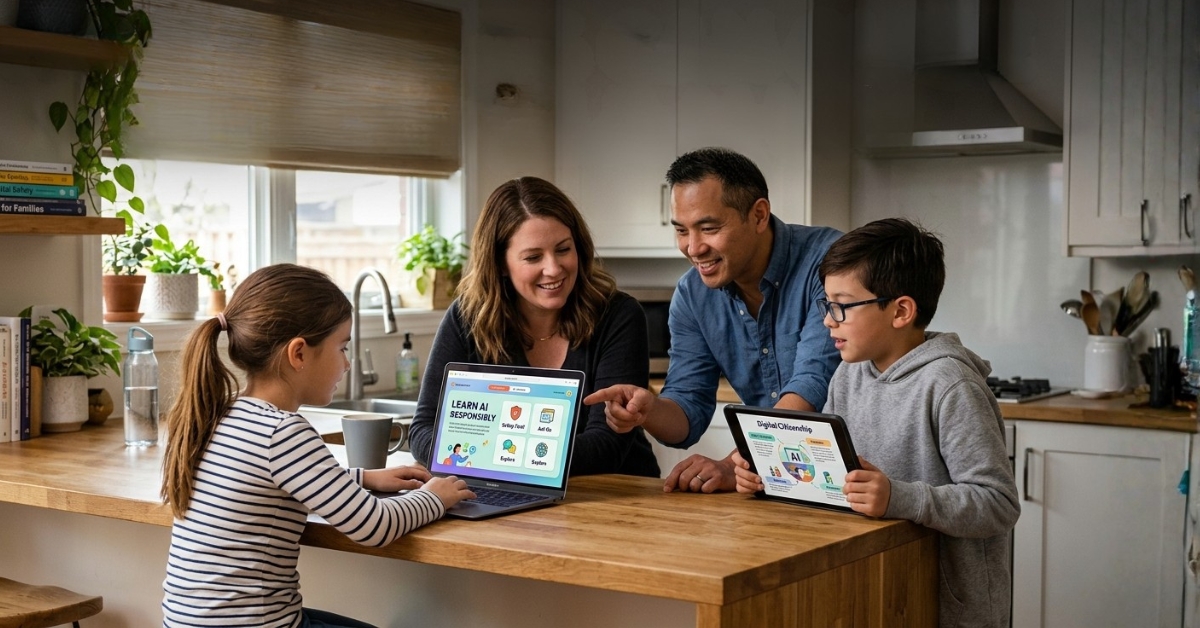
How Parents Can Guide Responsible AI Use
In today's rapidly advancing technological world, artificial intelligence (AI) is becoming a ubiquitous presence in our daily lives, including those of our children. As parents, it's crucial to guide and supervise how our children interact with AI to ensure their safety and foster a responsible use of technology. This article explores practical ways for parents to achieve this goal.
Understanding AI and Its Impact on Children
Before parents can effectively guide their children, they must first understand what AI is and how it influences child development and behavior. AI powers many tools and platforms, from voice-activated assistants and educational apps to social media algorithms and online games. These technologies can offer significant educational benefits but also pose risks like privacy concerns, exposure to inappropriate content, and overreliance on automated processes.
Setting Clear Guidelines and Boundaries
One of the first steps in responsible AI usage is establishing clear rules about when and how children can use AI-powered devices and applications. Parents should:
- Limit usage to ensure that AI does not replace human interaction or physical activities essential for a child's development.
- Determine which devices are appropriate for their child's age and maturity level.
- Monitor the content and functionality of AI applications to ensure they are safe and beneficial.
Educating Children About AI
Education plays a critical role in responsible AI use. Parents should take the time to teach their children about how AI works and its potential biases. Discussions should include:
- The difference between human and artificial intelligence.
- How AI may influence decision-making and perceptions.
- The importance of maintaining privacy and understanding data security.
Promoting Critical Thinking and Ethical Use
Encouraging children to think critically about the information and suggestions provided by AI is essential. Parents should teach their children to question and analyze AI interactions and to consider the ethical implications of AI technologies, fostering a mindset that values human judgment over machine-generated content or recommendations.
Leading by Example
Children often emulate their parents' behaviors, making it important for adults to model responsible AI use. This includes using technology ethically and thoughtfully, showing discretion in how much personal information is shared online, and demonstrating balanced technology use without excessive screen time.
Encouraging Open Communication
Finally, maintaining an open line of communication is vital. Children should feel comfortable discussing their experiences, concerns, and questions about AI with their parents. Such conversations can help parents understand their children's perspective on AI and provide opportunities to address any misunderstandings or apprehensions.
By taking these steps, parents can ensure their children not only navigate the AI landscape safely but also benefit from the many opportunities AI offers while developing a healthy, informed approach to technology use.



Comments (0)