
How AI Is Making Education More Accessible Worldwide
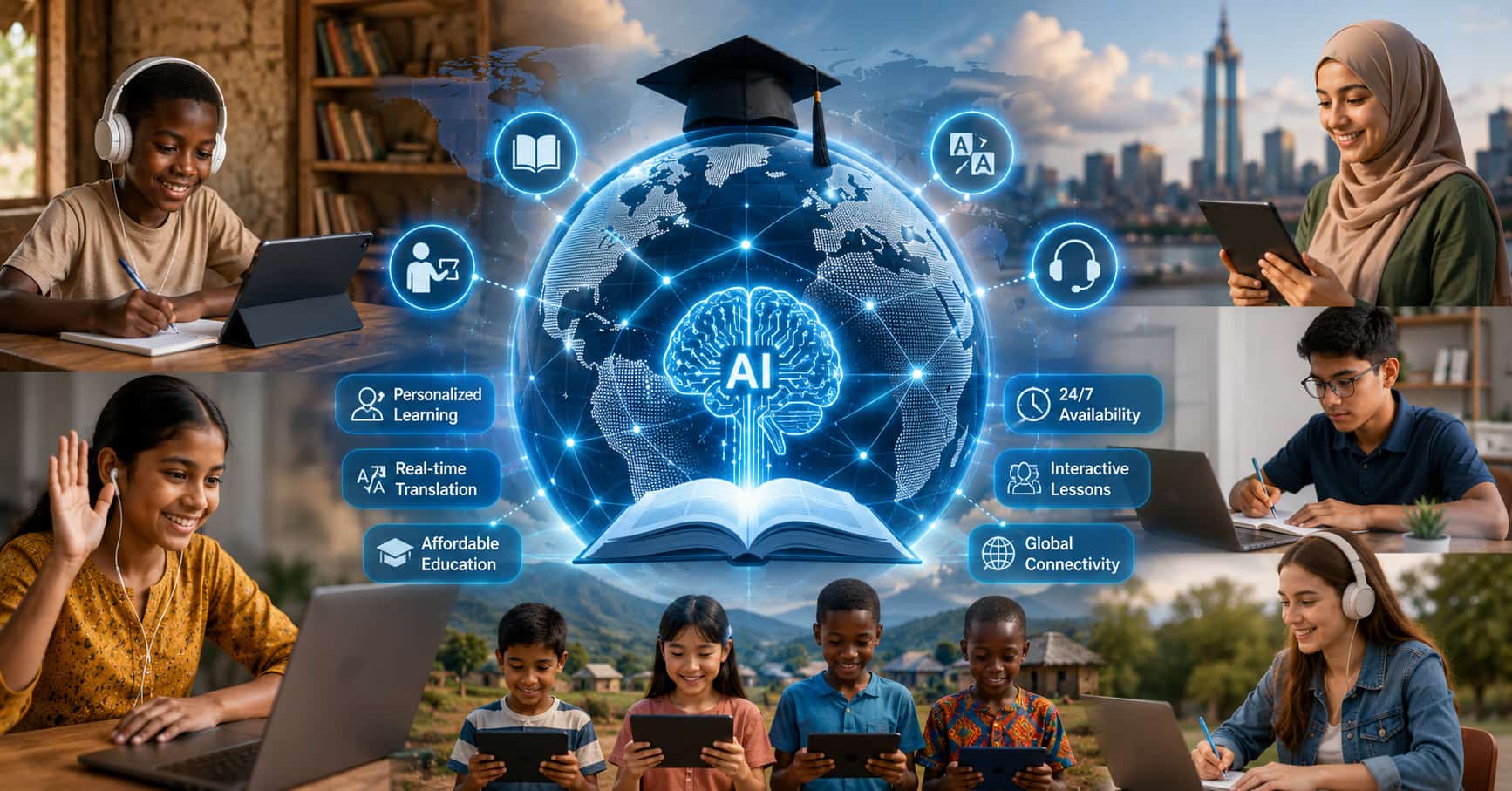
In an era where technology is at the forefront of transformation, Artificial Intelligence (AI) has emerged as a game-changer in various sectors, with education being one of the most significant. AI is reshaping the educational landscape, making it more accessible, inclusive, and tailored to individual needs. This blog explores the various facets of AI integration into education and how it is enhancing learning experiences across the globe.
The Role of AI in Enhancing Accessibility in Education
AI technology in education is breaking down traditional barriers that have hindered access to quality education for many. Through personalized learning experiences, AI tools are addressing the diverse needs of students, irrespective of their geographical location or socioeconomic status. Here’s how:
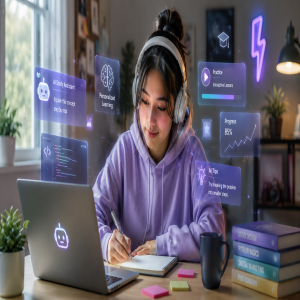
- Personalized Learning: AI algorithms analyze individual learning patterns and adapt materials to fit the learning pace and style of each student, ensuring a more effective learning process.
- Language Translation: AI-powered translation tools are making educational content available in multiple languages, helping break the language barrier that many learners face.
- Accessibility Features: From speech-to-text features to visual aids, AI is making learning more accessible for students with disabilities, ensuring inclusivity.
Global Impact of AI on Education
AI's impact on education is not confined to any single region; its benefits are being witnessed worldwide. In developing countries, AI educational tools are particularly transformative, offering resources and learning aids that were previously unavailable. For example, in remote areas where qualified teachers are scarce, AI-powered educational platforms can provide high-quality teaching aids and interactive learning sessions.
AI Tools Revolutionizing Learning
Several AI tools are at the forefront of transforming education:
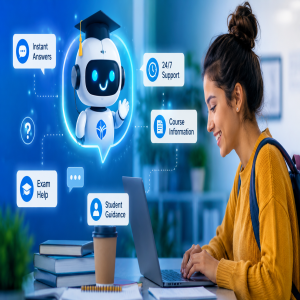
- AI Tutors: AI tutors provide assistance and personalized feedback to students, helping them understand complex subjects without the need for constant human supervision.
- Virtual Reality (VR) Classrooms: AI-driven VR technology is being used to create immersive learning experiences that simulate real-world environments, making learning more engaging and effective.
- Data-Driven Insights: AI systems analyze vast amounts of data to provide insights into student performance, helping educators tailor their teaching strategies accordingly.
For more detailed insights and resources on AI in education, visit our website at learningamplified.ai .
Challenges and Considerations
While AI is significantly enhancing educational accessibility, there are challenges to address:
- Data Privacy: The use of AI requires handling vast amounts of personal data, raising concerns about privacy and security.
- Dependence on Technology: There is a risk of over-dependence on technology, which might affect traditional teaching methods and interpersonal skills among students.
- Access to Technology: Access to AI tools and the internet is still not universal, which can perpetuate educational inequalities in underprivileged areas.
Conclusion
AI is undeniably making education more accessible and personalized, promising a brighter future for learners around the world. However, it is imperative to address the accompanying challenges to ensure that the integration of AI into education is beneficial for all. With the right policies and frameworks in place, AI can continue to be a powerful tool in democratizing education and empowering learners globally.

Comments (0)