
How AI Helps Slow Learners and Special Education
In the evolving landscape of education, artificial intelligence (AI) has emerged as a beacon of hope for special education, particularly for slow learners. The integration of AI technologies in educational settings is making learning more accessible, personalized, and engaging for students who need additional support.
The Role of AI in Personalizing Learning
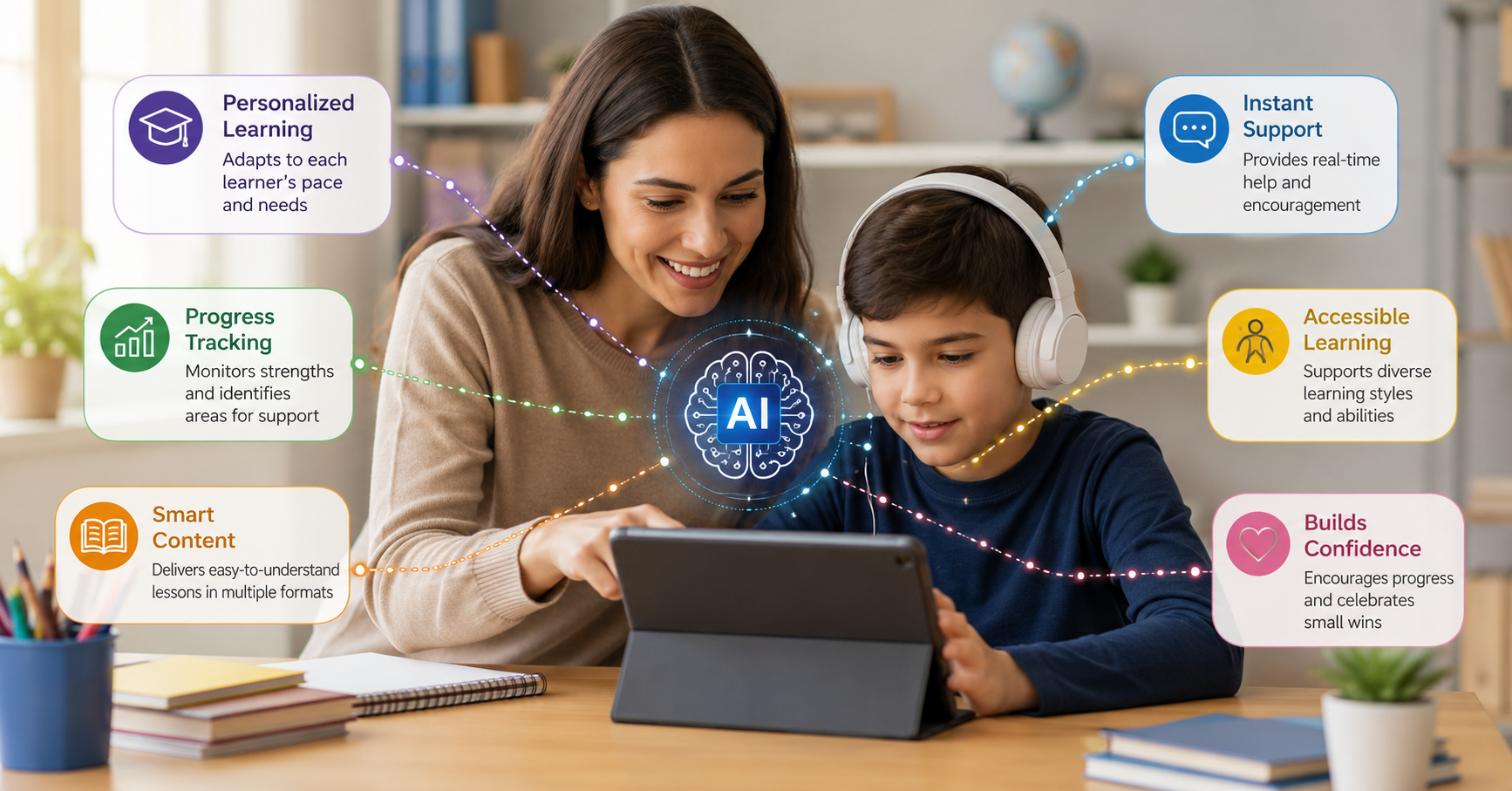
AI's ability to analyze vast amounts of data and adapt to individual learning paces plays a critical role in personalizing education. For slow learners, who may struggle with traditional instructional methods, AI-driven programs can tailor lessons based on their unique needs and learning styles. This adaptive learning approach ensures that students receive the support they need at their own pace, enhancing their understanding and retention of new concepts.
For example, AI-powered educational software can modify content complexity based on a student's responses, making difficult concepts easier to grasp or reinforcing topics through different mediums until mastery is achieved. This level of customization is pivotal in helping slow learners overcome educational hurdles and build confidence in their abilities.
Interactive Tools and Engaging Learning Environments
Another significant advantage of AI in special education is the development of interactive tools that make learning more engaging. AI-driven applications, such as virtual reality (VR) and augmented reality (AR), immerse students in environments where they can learn and practice skills without the pressure of real-world consequences. This is particularly beneficial for slow learners, as it allows them to experiment and learn through trial and error, which is often a more effective learning method for them.

These technologies also help in maintaining students' interest and motivation, which are crucial for the learning process, especially for those who might easily get discouraged by more traditional methods.
Continuous Feedback and Support
AI systems are capable of providing continuous feedback to students, which is essential for learning and improvement. This immediate response allows learners to understand their mistakes and correct them in real time, promoting a more effective learning process. Moreover, AI can alert teachers to areas where students are struggling, enabling timely intervention that is critical for students who learn at a slower pace.
Visit our website for more insights on educational technology: learningamplified.ai .
Preparing Teachers and Instructors
While AI provides substantial benefits, its success in special education largely depends on how well teachers and instructors are prepared to use these tools effectively. Training programs designed to familiarize educators with AI technology and its applications in special education are crucial. These programs help teachers integrate AI tools seamlessly into their curriculum, ensuring that students benefit fully from what AI has to offer.
Challenges and Considerations
Despite its advantages, the application of AI in special education comes with its set of challenges. Privacy concerns, the digital divide, and the need for high-quality, unbiased AI algorithms are significant issues that need to be addressed to ensure the effective use of AI in this field.
Conclusion
The potential of AI to transform special education is immense, particularly for slow learners. By providing personalized learning experiences, engaging interactive tools, and continuous support, AI can help bridge the educational gaps faced by these students. However, the success of AI in education also hinges on the responsible and informed use of technology by all stakeholders involved. As we continue to explore the capabilities of AI, it's crucial to address the challenges head-on and strive for an inclusive, equitable educational landscape.

Comments (0)